
Youtube Monetization Requirements 2025
Starting your YouTube journey with pure passion is what drives most creators, but understanding the monetization requirements becomes crucial when you want to make money from your content. The platform has evolved significantly, and while those two core metrics – watch time and number of subscribers – remain the biggest milestone, there’s so much more beyond just hitting these basic thresholds that creators need to grasp.
YouTube monetization requirements go far beyond the traditional benchmarks that most people focus on. However, those fundamental elements like accumulated watch time and subscriber count still serve as your primary gateway. Every creator will face this reality: you need 1,000 subscribers and 4,000 watch hours within 12 months, but that’s just the beginning of what it takes to transform your channel into a revenue-generating machine.
The platform now evaluates creators through multiple lenses, ensuring that passion alone isn’t enough – you must demonstrate consistent engagement, community building, and content quality that keep viewers coming back in order to succeed in this competitive landscape where things may be more complex than they initially appear.
Understanding Views and Subscriber Thresholds
YouTube monetization requirements have evolved to create a two-tier system that gives creators more flexibility in accessing different features. The basic pathway to fully monetize your channel and get a cut of ad revenue requires hitting specific thresholds, while YouTube added a lower monetization tier that opens doors to fan funding and other features (but not ad revenue).
Full Monetization Requirements:
- 1000 subscribers with 4000 hours of watch time across all your videos over the last 12 months
- Or achieving 10 million Shorts views over the last 90 days
Lower Tier Requirements:
- 500 subscribers
- Three public videos uploaded in the past 90 days
- 3000 hours of watch time or 3 million Shorts views in the last 90 days
These requirements serve as the foundation for joining the YouTube Partner Program (YPP) and getting your channel monetized, but there’s a little deeper complexity into these targets that we’ll explore later in this discussion.
Even if a creator hits the eligibility targets, it’s no guarantee they’ll be invited to join the YPP since YouTube has additional considerations beyond just numbers. So with that in mind, understanding all of the YouTube monetization requirements will make sure you’ll be able to join and qualify for the program that subs and views alone cannot guarantee.
Geographic Eligibility and Platform Access
The YouTube monetization journey begins with understanding where you reside and whether your location qualifies for the YPP (YouTube Partner Program), which is available in many countries but not all. First things first – confirm that you’re in one of the eligible regions before investing countless hours into content creation, as this foundational step can make or break your entire monetization strategy.
The YPP is currently available to creators in 137 countries and regions, including the U.S., the U.K., and Canada. You can check the complete list of eligible countries to ensure your location qualifies for monetization.
This unfair advantage can give your YouTube channel the upper hand when you easily optimize for more views, more subs, and more of every metric that matters. Once you’ve verified your geographic eligibility, it’s time to get started on the actual requirements that separate successful creators from those who struggle to monetize.
Content Standards and Quality Requirements
Creating authentic and original content while avoiding any attempts to game the system will keep you fine, but if not, YouTube can (and will) shut your channel down without warning. The short version is this: your content needs to be advertiser friendly while maintaining originality and authenticity that viewers can trust.
Starting July 15, 2025, YouTube implemented stricter guidelines targeting mass-produced and AI-generated content that lacks authenticity. The platform is actively cracking down on what they call “AI slop” – repetitive, low-effort content that floods the platform.
It’s definitely worth reading through the YouTube channel monetization policy support article, and if that’s not enough reading for you, you should also at least skim the following documents:
This ensures complete compliance with all platform requirements.
Community Guidelines and Strike Management
YouTube doesn’t play around when it comes to its Community Guidelines – if you get three strikes, you’re off YouTube, but even a single strike can keep you from monetizing your channel. For most offences, especially accidental offences, you’ll get a warning, and in some cases, you can address the concern and get rid of the warning.
Your first strike will expire after 90 days, but if you violate guidelines again before the 90 days are up, you’ll get a second strike which severely limits your channel’s capabilities. With a second strike, you’re barred from posting content for two weeks.
Warnings shouldn’t keep you from monetizing, but it doesn’t pay to take chances with your channel’s future. Remember that the rules in the YouTube Community Guidelines apply to every channel, from the biggest to the smallest – if you follow the rules, you’re good, but if you don’t, YouTube could drop the hammer at any time.
AdSense Account Setup and Integration
You need to have an AdSense account linked to your YouTube channel in order to get paid out from your monetization efforts. Creating an AdSense account and linking your AdSense account to your YouTube channel isn’t hard – it only takes about 10 minutes of your time to complete this crucial step.
Follow YouTube’s official AdSense setup guide for step-by-step instructions on creating and linking your Google AdSense account. Best to have this step completed before you even apply to monetize your YouTube channel, as having everything ready beforehand streamlines the approval process significantly and demonstrates your preparedness to YouTube’s review team.
Two-Factor Authentication Security Setup
Two-factor authentication (2FA) adds an additional layer of security that makes it more difficult for somebody to take over your account, which is essential for protecting your monetized channel. In order to be eligible to monetize your channel, you need to turn on two-factor authentication on YouTube – or more accurately, you need to turn on 2FA on the Google account associated with your YouTube channel.
This security measure isn’t just a checkbox requirement; it’s YouTube’s way of ensuring that creators maintain control over their channels and revenue streams, protecting both the platform and its content creators from potential security breaches.
YouTube Partner Program Application Timeline: What to Expect
When you’ve finally hit those crucial benchmarks and submitted your YouTube Partner Program (YPP) application, the waiting game begins. From my experience helping creators navigate this process, the long wait can feel endless, but understanding the timeline helps manage expectations.
YouTube aims to turn around application requests within 30 days, though recent updates show videos may take up to 24 hours for monetization decisions. The platform uses a sophisticated mix of automated systems combined with actual humans to review your channel and ensure it meets all necessary criteria. You’ll receive an email update when there’s news, but I always recommend checking the ‘Earn’ section of YouTube Studio regularly to monitor your status.
Several factors can delay your YouTube Partner Program application, and understanding these helps set realistic expectations:
- The number of applications YouTube is dealing with at any one time
- Limits on human resources that YouTube is facing
- The number of reviews that your channel warrants
Creators should apply to the YouTube Partner Program as soon as they meet the criteria – don’t hesitate once you’re eligible. If your application isn’t successful on the first try, don’t worry. My advice is to keep uploading quality, engaging, and original content, then re-apply after a 30-day period. If your second or third application fails, you can keep trying, but you’ll need to wait 90 days between attempts.
Repeat failures indicate that your channel has significantly missed the mark when it comes to YPP requirements. Correct the issues, endure the waiting period, and try, try again. When YouTube rejects your application multiple times, use those 90 days strategically to generate more watch hours and subscribers. Remember, these aren’t the only goals – you’ll need to fully comply with content and copyright rules, stay on the right side of community guidelines, and have your Adsense account set up and ready to go.
Avoiding Common Pitfalls That Kill Your Partner Program Dreams
If your application keeps getting turned down, you need to understand what YouTube is objecting to. From my years of helping creators navigate monetization, I’ve seen countless channels fail because they don’t grasp what YouTube will not tolerate. If you really want to monetize your channel and take advantage of the ad revenue and fan funding options on offer, you have to avoid certain things that may offend potential advertisers.
Making controversial or inflammatory statements is a major red flag. Freedom of speech is alive and well on YouTube, but freedom of speech is not freedom from consequences. If you upload content designed to be incendiary, you may end up paying for that decision down the line. Even if content isn’t pulled down, it may be demonetized.
Excessive swearing is another trap – while YouTube will let you get away with some swearing, excessive profanity can get your channel flagged or your content demonetized. For detailed guidelines on what’s acceptable, check YouTube’s advertiser-friendly content guidelines.
YouTube also doesn’t look kindly on “shocking” content. Again, after incidents like the Adpocalypse and the COPPA clampdown, the platform has to keep on the right side of the brands that advertise with it. In this age of social media, brands face a potentially massive backlash if they are seen to be advertising against controversial content, whatever form it takes. YouTube would rather avoid any scandals by nipping the problem in the bud and not allowing repeat offenders into the Partner Program in the first place. Be warned.
You may think you’re being clever if you use a clickbait thumbnail to trick viewers into watching your content, but along with being punished with low engagement and retention rates, YouTube really doesn’t like this approach and your YPP application may not be successful. The platform has become increasingly sophisticated at detecting these tactics, and repeat offenders keep getting rejected from monetization programs.
Content Red Flags That Block Your Monetization Dreams
Following these general guidelines, YouTube is also skittish about the kind of video topics and content it is comfortable promoting via the Partner Program. The platform makes its position clear through its Advertiser Friendly Content Guidelines, and it’s far likelier that you won’t be accepted (or your access will be removed) if you consistently post about the following content types.
YouTube draws hard lines around several content categories that advertisers simply won’t tolerate. Overtly graphical or sexual content is an immediate disqualifier – and yes, that means no adult content, please. Any content that pushes dangerous or harmful messaging that is likely to lead to violence will get you banned faster than you can upload. Videos that include hateful or discriminatory content are also strictly prohibited, regardless of how cleverly you think you’ve disguised the messaging.
The violence policy gets particularly tricky for creators to navigate. Videos that depict violence without any added context are instant red flags. News and journalism outlets can report on events that include violence, like warfare or rioting, for example, but non-news sources that post gratuitous violence for the sake of it simply won’t be monetized. From my experience working with creators, this is where many channels unknowingly cross the line – they assume shock value equals engagement, not realizing it’s actually killing their monetization chances.
Recent 2025 policy updates indicate that reused content and mass-produced material will face even stricter scrutiny, particularly targeting AI-generated content that lacks originality. Over 9.5 million videos were removed from the platform during the last quarter of 2024 due to policy violations, highlighting YouTube’s increased enforcement efforts.
Youtube Monetization Guide for 2025
Getting Started: Your Path to YouTube Success
YouTube has become an extremely popular video hosting platform where both professionals and amateurs alike can thrive. What makes it truly fantastic is the way it opens doors for creating sustainable income if you know your way around the system. If you’ve ever wondered how to monetize YouTube for your own needs, you’ve come to the right place.
This article explores the potentially lucrative field of YouTube monetization, including practical tips, a clear definition of what monetization means, relevant policies you need to understand, and what to do if you’re rejected. We begin with a basic understanding that will set you up for success.
Have you ever wondered whether it’s still worth starting a YouTube channel in 2025? Here’s an encouraging stat for you: 65.1% of marketers plan to increase their YouTube budgets this year. That’s not just confidence — that’s a bet on the platform’s staying power in a wildly competitive digital landscape.
YouTube continues to offer something no other platform can match: a full ecosystem for creators to grow, monetize, and build long-term businesses around their content. From Shorts to Shopping Collections, channel memberships to premium ad formats, YouTube has evolved into a complete monetization machine if you understand how to use it.
In this guide, we’ll break down every way to make money on YouTube today, what’s changed, and what it actually takes to turn your content into income in 2025.
Understanding YouTube’s Money-Making System
YouTube monetization is a dynamic process that allows content creators to derive income from their videos on the platform. This financial incentive has turned YouTube into a lucrative space for both professionals and amateurs, offering a way to earn money while sharing engaging content. To embark on this monetization journey, it’s crucial to comprehend the definition, eligibility criteria for the YouTube Partner Program (YPP), and the key requirements involved.
YouTube monetization refers to the ability of content creators to earn money from the videos they upload on the platform. This income is generated through various channels, primarily advertisements, which are displayed before, during, or after the video playback. To participate in YouTube’s monetization program, creators need to adhere to specific criteria set by the platform. The process involves individual creators, brands, and advertisers working within the world’s second-largest search engine, which offers an equally wide range of monetization methods.
YouTube advertising provides the main source of income for monetizing creators. YouTubers can also make money with extras like Super Thanks, Super Chats, YouTube Premium, channel memberships, and YouTube Shopping. We’ll run through all those nuts and bolts in a few minutes. YouTube monetization means earning revenue from your YouTube videos.
The YouTube monetization model is relatively straightforward. To make money from YouTube, you must first become a YouTube Partner by joining the YouTube Partner Program.
To join this program, your YouTube channel must follow the official YouTube channel monetization policies, be based in a country where the program is available, view the full list of eligible countries, have no active Community Guideline strikes, have 2-Step Verification turned on which applies to the Google Account your YouTube channel is registered with, have access to YouTube’s advanced features (including standard and intermediate features), and have active Google AdSense linked to your YouTube account.
You can also setup new AdSense by following the official YouTube Help Guide. Businesses that want to advertise on YouTube create these adverts through Google AdSense Network. These advertisements can be displayed at any point throughout the video. Owners of these videos are compensated each time a viewer sees the complete advertisement.
2025 YouTube Partner Program Requirements: Your Complete Roadmap
The YouTube Partner Program (YPP) serves as the gateway to unlocking advanced opportunities on the platform. While off-platform routes exist for YouTube monetization, the bulk of earning happens within the YPP. To check if you’re eligible, creators must meet the following criteria and adhere to specific guidelines and policies, ensuring your content complies with community standards and is suitable for advertising.
You must Live in a country where the program is available and Run an active channel with at least 500 subscribers. Additionally, you need to have uploaded at least three public videos in the last 90 days and Reach 3,000 valid public watch hours in the past 12 months, or 3 million valid public Shorts views in the past 90 days.
Key Requirements include having an active AdSense account linked to your YouTube channel and you must Allow two-step verification on the Google account linked to your channel. You must Follow YouTube’s Channel Monetization Policies and Community Guidelines. The above criteria will unlock the YPP’s core features, including channel memberships, Super Thanks, Super Chat, Super Stickers, and YouTube Shopping capabilities for your own products and services.
To access revenue sharing from ads, YouTube Premium, and a more diverse YouTube Shopping offering, you’ll need all of the above, plus 1,000 subscribers and 4,000 valid public watch hours in the past 12 months, or 10 million valid public Shorts views in the past 90 days.
This might sound like a lot, but if you’re already creating content and bringing new fans in, you’re well on your way. The minimum required threshold signifies that your channel has a significant and engaged audience. This metric gauges overall engagement and viewership, which enables you to earn from ads displayed on your videos.
Geographical Location Eligibility is contingent on your geographical location – the program must be available in your region. Channels with a history of violating community guidelines may face disqualification from YPP, so creators must ensure a clean record regarding content violations.
Two-Step Verification involves Adding an extra layer of security to the Google account associated with your YouTube channel through this security requirement. Achieving the minimum subscriber Count and watch Hours demonstrates that your channel has a dedicated audience interested in your content.
Subscribers receive notifications about new uploads, contributing to increased viewership. The accumulation of watch hours over time signifies that your content retains viewership, which is vital for evaluating the overall popularity and appeal of your channel.
The Seven Essential YouTube Monetization Rules for 2025
Rule 1: Create Your AdSense Foundation
If you want to monetize your YouTube offerings, start by following these seven monetization rules:
Create an AdSense Account as your first rule – this will be a significant starting requirement, so get it out of the way first. Follow YouTube’s official AdSense setup guide for step-by-step instructions on linking your Google AdSense account.
AdSense is Google’s in-house ad platform used to promote and sell advertising space via different channels, and yes, that includes YouTube.
Link that account to your YouTube account.
Rule 2: Master Partner Program Requirements
Learn the YouTube Partner Program Requirements as your next step involves joining the YouTube Partner Program or YPP:
Membership provides access to resources such as the merchandise shelf and channel memberships.
Here are the criteria you need to meet before YouTube even considers you for YPP membership:
- Users must have watched your content for at least 4,000 hours over the past 12 months
- You need at least 1,000 subscribers
- You must be located somewhere where the YPP is available
Rule 3: Enable YouTube Monetization
Enable YouTube Monetization Once your application is approved:
- Open your YouTube Studio, select “Enable Monetization,” and follow the instructions
- Prove you’re following YouTube’s monetization policies and ensure your channel has no community guidelines strikes against it
- You have an extra layer of security via a two-step verification on the Google account associated with your YouTube channel
Rule 4: Follow YouTube’s Monetization Policies
Follow the YouTube Rules on Monetization as there are many rules to follow:
Your channel will be monitored to verify that you comply with these policies including:
- Google AdSense policies
- Community Guidelines
- Copyright policies
- Monetization policies
- YouTube’s Terms of Service
Rule 5: Stay Within Copyright Laws
Stay Within Copyright Laws by licensing your Background Music. Copyrights are serious business. Consider using Lickd to add popular music to your videos without facing copyright issues, or explore alternatives like Epidemic Sound for royalty-free options. YouTube also offers its own Audio Library with free music and sound effects for creators.
Rule 6: Avoid Content Pitfalls
Things to Avoid If You Want to Monetize YouTube Content Effectively – avoid these pitfalls, or you will scare away potential advertisers:
- Controversy and misleading or false statements – We have freedom of speech, but it comes with responsibilities. For example, you may get dinged by deliberately creating controversy with misleading, inflammatory language.
- Excessive bad language – A few swears won’t get you in hot water, but as in the movie rating system, excessive obscenities get you flagged.
- Misleading thumbnail previews – If your video is about how to clean an assault rifle and the thumbnail image is a basket of fluffy kittens, your video could get flagged for misleading content.
- Unnecessarily shocking content – Although shocking content isn’t a deal-breaker, advertisers are wary about being associated with controversial content of questionable taste, especially if there appears to be no reason for it.
Rule 7: Explore Alternative Monetization Methods
Other Tips to Make Money on YouTube – Finally, expand your horizons and consider these other monetization methods:
- Merchandising where People love tchotchkes like t-shirts, mugs, hoodies, keychains, ball caps
- Affiliate link clicks where you join an affiliate program and get commissions from referrals
- Sell your video rights as Other brands might be interested in licensing your videos for their monetization purposes
- Get fan patronage by using platforms like Patreon to offer your viewers extra features and special perks for their monetary support
The Top 10 Revenue Streams Every Creator Should Know
1. YouTube Ads Revenue System
YouTube Ads remain the simplest, most basic, and most accepted means of monetization. These ads appear before or during a video, and you can control their placement via several YouTube ad formats. Here, at last, are the top ten ways to conduct YouTube monetization effectively.
2. Affiliate Marketing Programs
Affiliates offer tremendous earning potential. Have you ever seen a video where the host provides you with a link to visit a company’s site and consider purchasing their goods and services? That’s an affiliate program. You earn a commission for each successful purchase.
3. YouTube Premium Revenue Share
YouTube Premium is a subscription service where members can download videos and watch ad-free content. Luckily, you still get money for your videos under this service because subscription revenue payments get distributed to video creators like ad revenue payments. The amount is dictated by how often Premium members watch your videos.
4. Channel Membership Benefits
Channel Membership programs involve a monthly subscription in exchange for exclusive benefits like exclusive videos, one-on-one live chats, and product discounts. This creates a steady income stream from your most dedicated fans.
5. Third-Party Patronage Platforms
Patronage is something we talked about this tip earlier. Consider a third-party platform such as Patreon to let customers support your channel in exchange for exclusive goodies. And speaking of goodies, this method builds long-term relationships.
6. Merchandise Sales Strategy
Merchandise represents another tactic we’ve already discussed. There are dozens of supported merchant platforms available today, ready to help you sell your branded goods to your fans. Here’s where creativity meets profitability.
7. Paid Sponsorship Opportunities
Paid Sponsorships This tactic involves getting a company or brand to sponsor your content in exchange for using, demonstrating, or discussing their products or services in your video. Building authentic partnerships is key to success.
8. Super Features Integration
Super Features (Super Chat, Super Stickers, and Super Thanks) These super features come in three forms, all of them appearing in chat messages shown during YouTube live streams:
- Super Chat – This function highlights your chat messages over everyone else’s
- Super Stickers – This function is like Super Chat, except fans buy and share eye-catching, appealing stickers to pin at the top of a chat stream
- Super Thanks – This feature allows users to give some love to their favorite creators. Users get a featured comment in the chat, plus an animated GIF for a small fee
9. YouTube Shorts Fund Program
YouTube Shorts This $100 million fund is designated for Shorts creators, assuming they meet the criteria. This represents a significant opportunity for short-form content creators. Learn more about Shorts monetization requirements and earning potential.
10. BrandConnect Partnerships
YouTube BrandConnect This service, currently available in the United States, United Kingdom, and Canada, connects brands with YouTube creators for content marketing campaigns. Top 10 Ways to Monetize on YouTube showcase the platform’s diverse earning potential.
Handling YouTube Partner Program Application Rejections
If you’ve gone through all of the above steps, waited for a decision, and received a rejection, it can be frustrating. But don’t worry — it’s not the end of the road. If the YPP rejects your application, you’ll get a notification detailing which policies or criteria you’re not quite hitting. Then, you have 21 days to appeal the decision. Or, you can create a fresh application in 30 days’ time, provided you still meet all of the criteria. If you’re rejected more than once, you’ll have to wait 90 days before you can try again.
For detailed guidance on improving your chances of acceptance, check the YouTube Creator Academy for educational resources and best practices.
Frequently Asked Questions
How do you qualify for YouTube monetization in 2025?
To qualify for YouTube monetization in 2025, your channel needs at least 1,000 subscribers and either 4,000 watch hours within the last 12 months or 10 million Shorts views in the last 90 days. Additionally, your channel must comply with YouTube’s Community Guidelines, have no active strikes, enable 2-step verification, and link a valid Google AdSense account.
How many views do you need to get paid by YouTube?
To get paid by YouTube, you need to meet YouTube’s monetization policies, live in a region where the Partner Program is available, and meet specific criteria. You can qualify either with 1,000 subscribers and 4,000 public watch hours within the past 12 months for long-form videos, or 1,000 subscribers and 10 million Shorts views within the past 90 days if you’re primarily making Shorts.
How do I get 4000 hours on YouTube?
Here are tips to get 4000 hours on YouTube: Create engaging content long enough to thoroughly address the viewer’s questions. Keep viewers interested by not signaling your video’s conclusion too early. Study audience retention analytics to understand what keeps your audience watching longer. Consistently publish content and use Shorts strategically to drive viewers to your longer videos.
Can I monetize 1 minute video on YouTube?
You can monetize 1-minute videos on YouTube through YouTube Shorts, which now generate ad revenue directly and are eligible for YouTube Premium earnings. However, traditional long-form videos around 8 minutes remain ideal for maximizing revenue due to the ability to insert mid-roll ads.
Can you monetize YouTube Shorts?
Yes, YouTube Shorts can be monetized directly through ad revenue. Creators earn from a shared revenue pool based on the number of views their Shorts generate. You can also monetize Shorts through fan-funding options like Super Thanks and Channel Memberships once you meet the eligibility criteria.
What is YouTube Shopping Collections, and how does it help creators earn money?
YouTube Shopping Collections is a feature allowing creators to curate and display recommended products directly on their channel or within video descriptions. It helps creators earn by enabling direct product sales or earning affiliate commissions from product recommendations, turning content into a seamless shopping experience.
How much money can you earn from YouTube Premium views?
YouTube Premium revenue depends on the total watch time your content receives from Premium subscribers compared to other videos. The more Premium subscribers watch your content, the larger share of their subscription fees you’ll receive. This revenue is passive, reliable, and applies to both standard videos and Shorts.
Are YouTube Super Chat and Super Stickers worth using for monetization?
Super Chat and Super Stickers are valuable monetization features, especially if you regularly host live streams. They allow viewers to highlight messages or send animated stickers during live sessions for a fee. This boosts viewer engagement and directly supports your channel, often leading to significant earnings during popular live events.
How much does YouTube pay per 1,000 views in 2025?
On average, YouTube pays creators between $3 to $5 per 1,000 views in 2025, although actual earnings vary significantly based on niche, audience demographics, video length, and ad formats.
How many subscribers do you need to get paid on YouTube in 2025?
In 2025, you need at least 500 subscribers for fan funding monetization features like Super Chat, or 1,000 subscribers for full ad monetization within the YouTube Partner Program.
How long does it take to get monetized on YouTube?
Getting monetized on YouTube typically takes between 3 to 12 months, depending on how quickly you can reach 1,000 subscribers and either 4,000 hours of watch time in 12 months or 10 million Shorts views in 90 days.
What types of YouTube videos make the most money?
Videos in niches such as finance, tech reviews, educational content, e-commerce product reviews, and tutorials typically earn the most revenue due to higher advertiser demand and viewer engagement. Frequently Asked Questions about monetization often focus on these high-earning categories.


How to Grow on YouTube: 10 Strategies to Boost Audience Engagement
Why Audience Engagement Matters on YouTube
Growing on YouTube isn’t just about getting more views—it’s about keeping your audience engaged. Think about it: Would you rather have 10,000 passive viewers or 1,000 highly engaged followers who like, comment, and share your videos? YouTube’s algorithm loves engagement metrics—CTR (click-through-rate), shares, subs, and comments—because they signal that people care about your content.
From my experience, brands also prefer working with creators who have an engaged audience, even if it’s smaller. Why? Because sponsors want real exposure, not just big numbers. Plus, if your viewers stick around, you earn more from ads (thanks to the YouTube Partner Program) and even through merchandise, Patreon, or YouTube Super Thanks.
So, how do you boost engagement and grow on YouTube? There’s no secret sauce, but there are tried-and-tested strategies that professional creators use. Let’s break them down.
1) YouTube Shorts: Your Secret Weapon for Growth
Want to grow on YouTube fast? Shorts are your golden ticket. With 2 billion active monthly users, these short-form vertical videos (YouTube’s answer to TikTok and Instagram Reels) can supercharge your audience engagement. I’ve seen channels explode by simply reformatting existing content into eye-catching Shorts teasers—it’s the easiest way to revitalize underperforming videos.
YouTube Shorts is growing by leaps and bounds, going from 30 billion daily plays in 2021 to 90 billion in 2024, showing massive opportunity for creators. In 2025, significant changes include the 3-minute Shorts duration, refined view tracking, and enhanced AI personalization, making them even more powerful for growth.
Magic happens when Shorts now appear on viewers’ dashboards and have their own dedicated tab, giving you double the exposure. Here’s what works: Mix original Shorts (like sneak peeks of upcoming long-form content) with collaborations using other creators’ TikTok clips or Shorts. Pro tip: Reply to comments on your Shorts—it boosts algorithm love and builds real connections with individual viewers.
When I started posting both Shorts and long-form videos, my watch time and subscriber growth skyrocketed. Remember, MrBeast and PewDiePie tested separate Shorts channels first, but now that everything’s integrated, you get all the benefits in one place! Learn more about YouTube Shorts algorithm optimization for 2025.
2) Engage Your Audience Smarter with Community Posts
The Community tab is one of YouTube’s most powerful yet underused features – and the best part? You no longer need to hit a subscriber threshold to access it. I’ve found that mixing text posts, image polls, and quizzes keeps my followers engaged between uploads. Take a page from MrBeast’s playbook: use polls to gauge preferences about upcoming video ideas or let fans vote on what content they want to see next.
What makes these tools so effective? You get real-time feedback while keeping the conversation going. I often batch-schedule a week’s worth of community posts (including GIFs for fun interactions) using YouTube Studio, then track their performance in analytics. Pro tip: Image-based polls consistently get 3x more engagement than text-only posts in my experience – they’re perfect for visual audiences!
3) Thumbnail Magic: Your Secret CTR Booster
Want to supercharge your YouTube growth? Start with custom thumbnails—they’re like neon signs for your video in search results and recommendations. While YouTube auto-generates basic options, a high CTR paired with low watch time could indicate that your thumbnail and title are misleading or not aligned with the actual content, so quality matters more than flashiness.
Stats prove custom thumbnails can boost your CTR by 34% or more. I learned this the hard way—my first videos with generic thumbnails got lost in the shuffle until I developed a distinct style that helped viewers recognize my content instantly.
Creating captivating thumbnails isn’t as hard as it seems. Use free online design resources like Canva or AI enhancements if you’re starting out—Canva’s my go-to. For those wanting high quality and consistent style, consider outsourcing to a professional graphic designer. Pro tip: Study professional creators in your niche—their thumbnail tricks often reveal what makes viewers’ attention snap. If your impressions are high but CTR is low, your thumbnail isn’t engaging enough. Remember, your thumbnail is the first impression—make it count!
4) Go Live to Supercharge Your Channel Growth
Want to grow on YouTube while building real connections? Livestreams are one of the most effective strategies I’ve found for nurturing bonds with followers and attracting new fans. Unlike pre-recorded videos, going live lets you interact directly with viewers through comments – I often brainstorm content ideas with my audience mid-stream, which adds an immediate, human dimension to our relationship.
The best part? You can monetize streams through Super Chat and Super Stickers while keeping setup simple. Whether using your mobile, desktop, or an encoder for gameplay streams with overlays, the barrier to entry is low. Pro tip: Respond to individual viewers on-camera – this personal touch has helped me convert casual watchers into loyal subscribers faster than any other tactic.
5) Smart Video Chapters: Keep Viewers Hooked
Want to boost engagement and help your YouTube growth? Video chapters are your secret weapon. By adding timestamps and clear titles in your description, you let viewers jump straight to the parts they care about. Imagine someone watching your Python coding tutorial – if they’re moderately proficient, they can skip ahead to new applications instead of wasting time. This simple trick prevents viewers from leaving to search for different videos – I’ve seen it keep 30% more people watching in my own analytics!
Here’s how to do it right: First, structure your content logically before filming. Then, add chapters manually with specific timestamps (like “0:00 Introduction” or “2:15 Advanced Tips”). Bonus? YouTube uses these keywords to help you rank in search results. Pro tip: Place your most valuable content in early chapters to set clear expectations from the get-go – this builds trust fast.
6) Boost Engagement by Mastering Comment Replies
Want to supercharge engagement and YouTube growth? Start replying to comments—both on your videos and community posts. When you reply, you give viewers that buzz of being noticed, making them more likely to keep commenting. I’ve found that viewers who feel heard become loyal fans—they’ll leave prompts and notes about what content they want next.
Here’s a pro tip: YouTube’s new feature lets you reply with Shorts! Just find a comment, hit reply, and choose the Shorts option next to the text field. This isn’t just about responding—it’s an easy way to create unique content while engaging individual followers. I’ve turned simple replies into viral Shorts that brought in new subscribers. Remember, every comment is a chance to encourage deeper connections and gather feedback for future video ideas.
7) Know Your Numbers: What’s Working (And What’s Not)
Want to grow on YouTube? Start by checking your analytics in YouTube Studio—it’s like getting a report card for your content. The percentage of impressions that lead to clicks shows how many people click when your video pops up, revealing which thumbnails and titles work best. If a video under-performs, tweak it!
Another big one is average view duration (AVD)—the longer viewers stay, the better. Watch time, engagement, audience retention, and impressions CTR are the top metrics regarding your YouTube videos. Audience retention graphs show exactly where people drop off or rewatch, so you can fix boring spots. Don’t ignore the like-to-dislike ratio (even though dislikes are hidden now). It tells you which videos your audience loved or hated. Finally, track where your subscribers come from. Did a particular video cause a surge in subs? That’s gold—make more like it!
From my experience, creators who understand their metrics grow faster. I once had a video with low CTR but high retention. By keeping the same content but changing the thumbnail, views jumped 40%. Key takeaway? Use YouTube Analytics to pinpoint what resonates, then optimize.
8) Why Custom Captions Are a Game-Changer for Your Videos
Want to boost engagement and grow on YouTube? Don’t rely on YouTube’s auto-generated captions—they’re often flawed, especially for niche topics or if you have an accent. Here’s the truth: automatic speech recognition (ASR) only works for select languages like English, Spanish, French, and a few others, leaving many creators out in the cold.
The solution? Upload custom captions yourself. I’ve seen firsthand how this simple step can retain 80% more viewers—especially since 69% watch videos on mute in public, and 25% do the same at home (thanks, Verizon survey!). Plus, translated subtitles open doors to an international audience, while making your content accessible to the deaf and hard of hearing community. Pro tip: Use free tools to generate accurate captions, then tweak them before uploading manually. It’s a major asset most creators overlook, but one that pays off big time in watch time and accessibility.
9) Boost Watch Time with Smart End Screens & Cards
Getting views is just half the battle – keeping viewers engaged is where end screens and cards become game-changers. Imagine you’re watching a knitting tutorial about sweaters – instead of cramming every detail about patterns and needles into one video, smart creators use cards to link to deeper dives on specific techniques. I’ve found this keeps viewers glued to my channel way longer.
The magic happens in those last 20 seconds – your end screen can link to related content (like a socks tutorial if you just showed sweaters) or drive traffic to your Patreon and social media platforms. Pro tip: Place these elements naturally – when I mention “this pattern,” that’s the perfect moment to insert a card explaining it. These YouTube features help overcome the biggest challenge – turning one-time viewers into loyal fans.
10) Breathe New Life Into Your Old Videos
Want to grow on YouTube without creating all-new content? Systematically revitalizing your older videos can pay off massively. Start by checking YouTube Studio to find underperforming content—often, just updating titles, thumbnails, or adding chapters and custom captions gives them a second life. I once boosted a year-old video’s views by 300% simply by improving its description and creating a Shorts reformat to promote it.
The magic happens when you circle back and brush up existing content strategically. Maybe a video needs better thumbnails or more extensive descriptions—pinpoint what’s missing, then implement those changes. Don’t forget to promote your refreshed videos through cards, end screens, and playlists. This TLC (tender loving care) approach keeps your content working for you long after upload day.
Your Blueprint for Long-Term YouTube Success
Let’s be real—there’s no secret trick to boosting engagement overnight. But after helping dozens of channels grow, I can confirm that a systematic effort combining multiple strategies absolutely pays off. When you analyze your performance and consistently apply tactics like custom thumbnails, chapters, and captions, they eventually become second nature in your video creation workflow.
The magic happens when you make Shorts and livestreams core to your content strategy while actively engaging with your community through posts and thoughtful comment replies. Yes, it takes time to gather traction—my first viral video came after 6 months of consistent effort—but this multi-pronged approach is guaranteed to level up your engagement. Remember, YouTube success isn’t about one viral hit; it’s about building a long-term system where all these elements work together to keep your audience growing and engaged.
FAQs
Q: How do I start growing on YouTube?
First, check your analytics to spot your strong and weak videos—look where viewers drop off. Then, polish your thumbnails and descriptions, and start engaging with your audience through comment replies and community posts.
Q: What’s the fastest way to grow my channel?
Focus on great content at a steady pace while maximizing audience engagement. This means eye-catching thumbnails, compelling storytelling, and using all of YouTube’s tools—from analytics to cards and Shorts teasers.
Q: Is YouTube growth really that hard?
Yes—it’s like professional sports with heavy competition. You’ll need hard work, some luck, and long-term commitment. But using pro strategies consistently will help you stand out.
Q: Can I grow quickly in one month?
You can make progress with intense effort—post high-quality videos frequently, promote heavily, and use every engagement strategy possible. But sustainable growth takes longer.
Q: Should I buy subscribers to boost growth?
Absolutely not. Bot subscribers get removed and wreck your engagement metrics. Real growth comes from genuine connections with your audience.
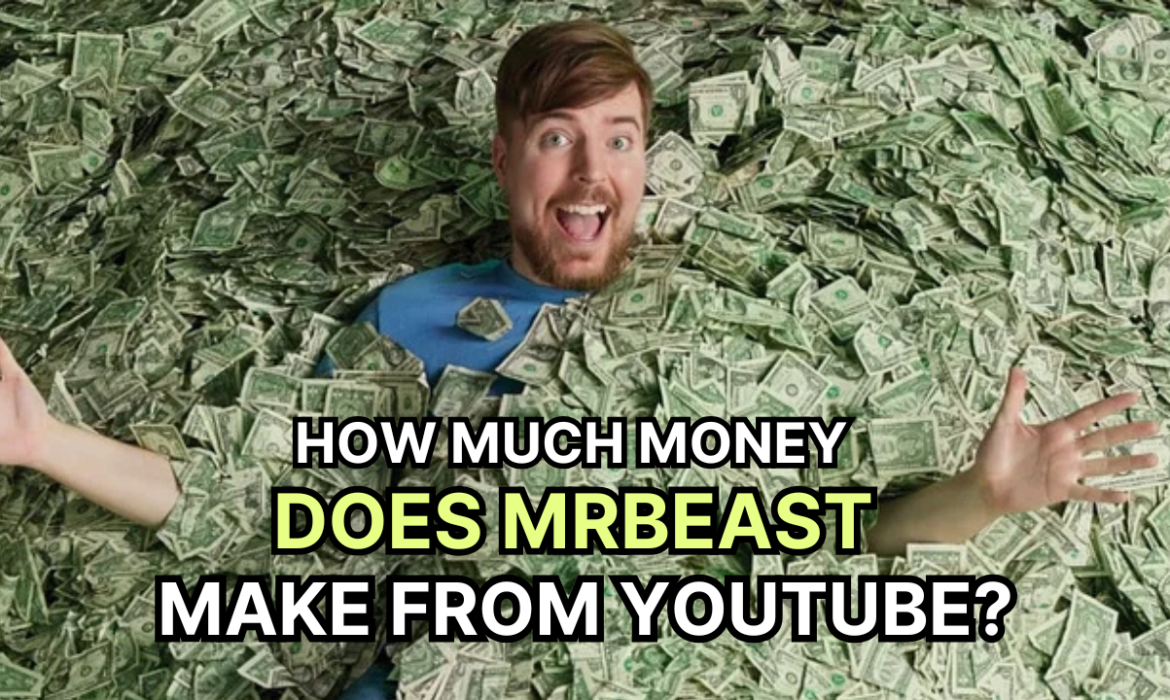
How Much Money Does MrBeast Make from YouTube?
Have you ever wondered about the earnings of the top YouTubers? MrBeast is one of a kind and perhaps the most interesting example due to his enormous monetary gifts and unique challenges.
Famous for pulling off extremely hard stunts and charitable acts, he is not only a YouTuber, but he is a phenomenon. But really, how much does he make from YouTube? Let’s get into the numbers and deconstruct how MrBeast makes his remarkable fortune.
Who is MrBeast?
MrBeast, whose real name is Jimmy Donaldson, is a 26-year-old American YouTuber, known for his extraordinary content. The channel is packed with different video genres such as high risk challenges, and stunt activities; he even runs some charity giveaways and social experiments.
MrBeast has become one of YouTube’s biggest stars, with over 327 million subscribers, a number that speaks volumes about his popularity and reach. He doesn’t only make his videos entertaining, but also, he often gives back to fans, charities, and strangers which touched many people’s hearts and this is one of the reasons why he is such a loved person in the YouTube community.
How MrBeast Makes Money on YouTube
MrBeast’s main YouTube earnings consist of several streams, where ad revenues, sponsorships, and merchandise sales mostly account for his income. As YouTube compensates creators according to the number of views they get, MrBeast’s huge audience implies giant revenues.
Also, brands are enthusiastic to collaborate with him, thanks to his extensive reach, and distinctive content format, which convinces sponsors to make profitable deals with him.
1. Ad Revenue from YouTube
The main and most obvious revenue stream for MrBeast is the advertisement income from his videos. YouTube’s Partner Program provides the possibility for creators to get a part of the ad revenue that comes along with the ads appearing on their videos. This revenue is determined by certain elements such as the number of views, CPM (cost per thousand impressions), and audience location.
Mr. Beast’s videos are often watched millions of times within a few days of release so his monthly ad revenue is quite high. On average, YouTubers get paid the equivalent of $3 up to $10 per thousand views and the CPM influences the exact amount.
For MrBeast, this ad revenue will be between hundreds of thousands and over a million dollars monthly, which, considering how often he gets high numbers of views, is not so unrealistic.
2. Sponsorships and Brand Deals
Sponsorships are also a major income stream for MrBeast. Due to his wide audience and his high level of influence over them, many brands are ready to spend a fortune to get their names associated with him. Among the many such brands are Honey, a well-known online savings platform, and the mobile game company RAID: Shadow Legends, which have sponsored his videos.
Brands are giving as low as $100,000 to over $1 million for the visibility in the videos that bring the crazy viewership MrBeast has. His ingenuity in setting up intricate plans and the thrill of his giveaways guarantee good response, which is quite what the sponsors want in the first place. He can be, for example, paid $1 million for a single video – that only would make a big difference to his monthly salary.
3. Merchandise Sales
MrBeast with his brand, Beast Clothing, is also easily a large part of why his income is so high. Earning through merchandise can be very successful in case you own a loyal fan base. The fans of MrBeast are fond of his merch, such as hoodies and T-shirts, and they prefer to express their support and be part of a community.
Although the official numbers for his merchandise sales are not disclosed, it is speculated that MrBeast alone could be raking in millions every year through merch. This extra source is very useful as it enables him to try his hands at more interesting and larger productions thereby bringing the content to be alive and engaging from time to time.
4. Other Revenue Streams: MrBeast Burger and Philanthropy
Apart from his main YouTube account, MrBeast launched an initiative called MrBeast Burger, a virtual restaurant brand working with existing restaurants to sell MrBeast’s food items. This initiative has been greatly prosperous with MrBeast Burger locations spreading all over the United States and even to other countries.
MrBeast is famous for his charitable deeds like the Beast Philanthropy, where he gives a large percentage of his profits to the charity. However, though this part of his business is not about making money, it does build up a unique brand that gets more views, goodwill, and thus more revenue in his other businesses.
Estimating MrBeast’s Monthly and Annual Income
So, how much does MrBeast make on YouTube alone? While actual numbers are not made public, analytics platforms report that his YouTube ad revenue could be as high as $3-5 million per month per the platform. If we include partnerships and product sales, this sum amount jumps to double figures-with the chance that in some months it could go up to over $10 million a month.
Yearly, this implies that MrBeast could have monetary power well in excess of $50 million due to YouTube activities and associated businesses. Such a sum of money would not only make him one of the top paid creators on the platform but also emphasize his new content innovation skills that have brought him this far.
Conclusion
MrBeast is a very successful YouTuber who can boast impressive earnings from YouTube, which speaks to his extraordinary creativity and dedication. By simply staying one step ahead of YouTube’s usual content in terms of creativity, he has created a brand that is both exciting and meaningful.
A bright example of a YouTuber who is pushing the limits of content creation comes from his revenue streams that include the likes of ad revenues, sponsorships, merchandise, and even a restaurant brand.
Ultimately, income for MrBeast isn’t solely a function of numbers, but it marks the journey and risk he takes. For aspiring YouTubers, he is the perfect example of how success on YouTube can be achieved through an effective blend of creativity, passion, and risk with a high possibility of achieving the unthinkable end.

The Best 10 Profitable YouTube Niches for 2024
Have you ever thought about what is required to start a successful YouTube channel? Identifying and selecting the right niche is one of the most significant aspects of a channel apart from posting videos. For instance, imagine you are opening a new shop, the place and the kind of products you choose can be profitable or not.
YouTube is like that place; your niche is your ultimate location. It can either pull in more viewers to you, or it can be so hard that even you will just find it. If you are thinking about the niches that are worth pursuing in 2024, we have done the necessary research for you!
Let’s jump into the 10 most profitable niches that will get you the views, subscribers, and income you’re looking for.
1. Finance and Investment
More and more people are interested in learning how to budget their money, thus making finance and investment channels likely to keep booming.
Those such as budgeting, stock tips, and cryptocurrency draw in a wide array of people eager to learn about diversification, financial freedom, and even wealth creation.
High user involvement allows finance channels to obtain premium sponsorships too, increasing the richness of this sector and thus making it extremely lucrative.
2. Health and Fitness
Workout routines to healthy recipes and mental wellness tips. Health and fitness is a sector liked by a large part of YouTube’s viewers. Videos, which are based on different goals in fitness like weight loss or muscle gain, are getting more and more popular.
There is a permanent demand for expert advice and with the right approach, creators in this niche can build a strong community of subscribers that return regularly for advice and inspiration.
3. Tech Reviews and Unboxings
If you are someone who is into technology or tech freak , then this niche is a possible gold mine for you. People who are into technology often find watching reviews and unboxing of the latest gadgets, such as smartphones and laptops to gaming consoles, very interesting.
Tech channels mainly get devices for review from the tech companies, and this is another revenue stream besides just making the content. Moreover, as new products can be launched throughout the year, this niche provides a never ending opportunity for content creation.
4. Gaming
Gaming is the powerhouse sector on YouTube, with channels specialized in game reviews, walkthroughs, live streaming, and e-sports commentary. The gaming community is pretty active, and famous gaming channels can get more subscribers rapidly. Also, the diversity of income streams includes live stream donations, sponsorships, and gaming merchandise.
5. Personal Development and Motivation
With many people focused on self-improvement, personal development content is already a very popular area of interest. This is the content that is used for the development of skills like productivity, goal-setting, and time management.
This niche has got a great growth potential. As they can draw the attention of people who want tips and advice regularly to improve or change their lives.
6. DIY and Home Improvement
DIY and home improvement content is mainly targeted at people who want to be creative or save money by doing things themselves. Decorating, repair, and maintenance are the top activities in this area that draw enthusiasts who want to take an active role in making and changing their surroundings.
DIY videos can be instantly noticed and ways for channels to highlight these videos include brand collaborations with tool and material brands.
7. Educational Content
Educational channels include some very diverse subjects like history and science, language learning and tutorials for skill development. If you are proficient in a certain field, then by sharing this knowledge you can attract viewers from different age groups.
Besides this, educational content is very often referred to by other people, and channels that are based on this niche often have a stable and heterogeneous audience.
8. Lifestyle and Vlogs
Lifestyle and vlogging content has been a lasting part of YouTube because its nature is relatable and engaging. Such channels range from daily vlogs to show travel diaries to the sharing of personal experiences.
As viewers connect with the personality behind the channel, these videos can help strengthen the community bonds and offer more ways to earn money.
9. Beauty and Fashion
Beauty and fashion are appealing areas for young audiences that are especially interested in following the new trends in makeup, skincare, and style. This niche comprises makeup tutorials, product reviews, and seasonal fashion lookbooks.
Channels have an easier way of growing with the right content and, on the other hand, they can obtain sponsorship also from brands whose goal is to draw the same audience.
10. Food and Cooking
Food is a widely shared interest, so it is an ideal niche for YouTube. From restaurant reviews to cooking tutorials and food challenges, food-related content is of interest to almost everyone.
People usually resort to YouTube for cooking ideas, and the creators in this niche are capable of drawing enormous numbers of viewers.
Conclusion
Finding the right YouTube niche is significant for channel growth and success. The fields that are discussed in this piece are finance, fitness, tech, gaming, personal development, DIY, education, lifestyle, beauty, and food, which are still profitable in the year 2024.
Therefore, find your niche, create content, and develop a fan base in one of YouTube’s thriving niches for growth and be the next Youtube Millionaire.

