
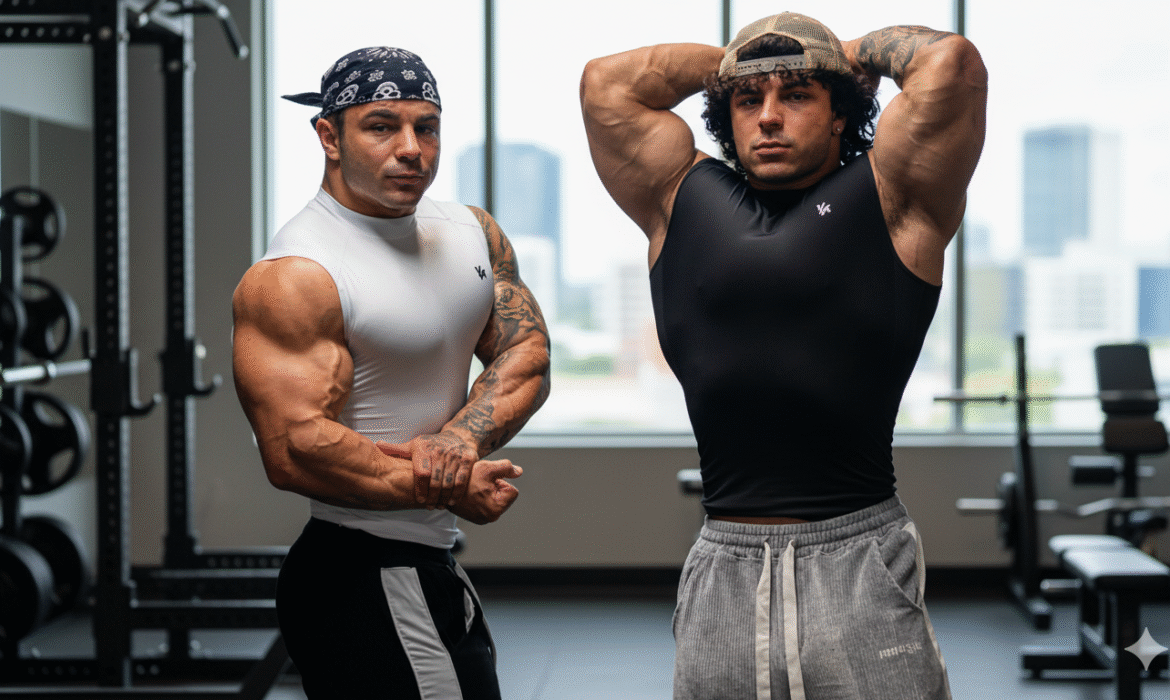
Tren Twins Ethnicity, Family Background & Are They Actually Twins?
Tren Twins Ethnicity, Family Background & Are They Actually Twins?
Estimated reading time: 8 minutes
Who Are the Tren Twins?
Michael and Christian Gaiera, known collectively as the Tren Twins, are fitness content creators who’ve captured the internet’s attention with their no-nonsense approach to bodybuilding. Born and raised in Michigan, these brothers launched their YouTube channel in 2020 and have since become recognizable figures in the online fitness community.
The Tren Twins built their brand on authenticity—unlike many polished fitness influencers, they present themselves with an unfiltered, almost comedic intensity that resonates with younger audiences. Their content typically features extreme workout challenges, supplement reviews, and collaborations with established bodybuilders.
But as their popularity has grown, so has curiosity about who they are beyond the gym persona. Understanding the Tren Twins’ family background and heritage provides important context for their journey and appeal.
Are the Tren Twins Actually Twins?
Here’s the answer that surprises many fans: No, the Tren Twins are not actual twins. Despite their stage name and remarkably similar appearance, Michael and Christian Gaiera are biological brothers born approximately one year apart.
Breaking Down the Tren Twins Relationship
| Aspect | Details |
|---|---|
| Relationship Status | Biological brothers (siblings) |
| Twin Status | Not actual twins |
| Age Difference | Approximately 1 year |
| Blood Relation | Full blood brothers |
| Family Position | Both sons of the Gaiera family |
Michael is the older brother, though the exact birth dates haven’t been publicly confirmed by the brothers themselves. The confusion about their twin status stems from several factors:
Physical Resemblance: The brothers share strikingly similar facial features, body structure, and even mannerisms. Their genetics clearly come from the same family tree, which explains why casual viewers assume they’re twins.
Synchronized Development: Because they train together constantly and follow nearly identical diet and workout regimens, their physiques have developed in remarkably parallel ways. This lifestyle synchronization enhances their natural resemblance.
Strategic Branding: The “Tren Twins” name is undeniably catchy and memorable. Whether intentional or organic, the moniker has become central to their brand identity. The name references “tren” (short for trenbolone, a performance-enhancing substance), adding a layer of edgy humor that appeals to their target demographic.
So while the Tren twins aren’t actual twins in the technical sense, their relationship as blood brothers who operate as an inseparable unit makes the name fitting in spirit, if not in biological accuracy.
Tren Twins Ethnicity and Heritage
The question of Tren Twins ethnicity generates significant search volume, partly because their appearance doesn’t immediately signal a specific ethnic background to viewers. Based on available information and visual analysis, Michael and Christian Gaiera appear to have mixed European heritage, though they haven’t extensively documented their precise ethnic composition publicly.
Understanding the Tren Twins’ Cultural Background
The surname “Gaiera” itself offers some clues. While not extremely common, this family name has roots that suggest possible Italian or Southern European origins. Italian-American communities are well-established throughout Michigan, where the brothers grew up, which aligns with this theory.
Their physical characteristics—including facial structure, complexion, and hair texture—are consistent with Mediterranean or Southern European ancestry. However, like many Americans, the Tren Twins likely have a mixed heritage that reflects multiple ethnic backgrounds blended over generations.
Why Ethnicity Matters Less Than You Think
In contemporary American culture, ethnic identity often becomes less distinct with each generation, particularly for families with European backgrounds. The Tren Twins represent a generation where cultural identity may be more connected to regional American culture (in their case, Midwestern) than to specific ethnic traditions.
What’s more relevant to understanding the Tren Twins is their family environment, values, and the household culture that shaped them—topics we’ll explore in the next section.
The Gaiera Family Background
While the Tren Twins keep many personal details private, they’ve shared glimpses into their family life that reveal important context about their upbringing and the Gaiera household.
Tren Twins’ Dad and Family Dynamics
The brothers have occasionally referenced their father in content, though they maintain a degree of privacy around family members who aren’t public figures. What we do know suggests a family environment that supported physical activity and competitive spirit.
Several factors from their family background have clearly influenced their path:
- Working-Class Roots: The Tren Twins have referenced growing up in a middle-class household in Michigan, not a background of privilege. This resonates with their audience and informs their straightforward, unpretentious content style
- Sibling Competition: Growing up as brothers close in age naturally created competitive dynamics. This sibling rivalry appears to have channeled productively into their shared fitness obsession, with each brother pushing the other to improve
- Family Support Structure: Despite keeping family members largely off-camera, the brothers have indicated supportive relationships that allowed them to pursue unconventional career paths. Building a social media presence requires time and resources, suggesting family backing during their early growth phase
- Athletic Foundation: While the specifics remain private, the brothers’ natural athleticism and comfort with physical training suggest possible family involvement in sports or physical activities during their formative years
Tren Twins Nationality and Cultural Roots
The Tren Twins’ nationality is straightforward: they are American citizens, born and raised in Clinton Township, Michigan. Their cultural identity is distinctly American, specifically shaped by Midwestern sensibilities.
The Michigan Connection
Understanding the Tren twins’ heritage requires appreciating how geography shapes identity. Michigan, particularly the Detroit metropolitan area where they grew up, has distinctive cultural characteristics:
- Industrial Heritage: Michigan’s identity is intertwined with manufacturing, automotive industry, and blue-collar work ethic. This background often emphasizes practical skills, hard work, and straightforward communication—qualities evident in the Tren Twins’ content approach
- Diverse Community: The greater Detroit area has historically been one of America’s most diverse regions, with significant populations of Polish, Italian, Lebanese, Greek, and African American communities. This multicultural environment shapes a particular type of American identity
- Sports Culture: Michigan has strong traditions around high school football, hockey, and wrestling. This athletic culture creates an environment where young men often define themselves partly through physical prowess and competition
The Tren Twins embody this Midwestern American identity more than any specific ethnic heritage. Their accent, humor, references, and overall presentation reflect this regional culture.
Family Influence on Their Fitness Journey
The Gaiera family’s influence on the Tren Twins extends beyond genetics into the values and environment that enabled their fitness journey.
How Family Background Shaped Their Path
- Brotherhood as Foundation: The central fact of the Tren Twins’ success is their relationship as siblings. Their bond creates built-in accountability, competition, and collaboration that solitary fitness influencers must manufacture artificially. This authentic partnership resonates with audiences
- Support During Growth Phase: Building a YouTube channel and social media presence while maintaining the extreme training regimen the brothers showcase requires significant time before generating income. Family support—whether financial, emotional, or practical—likely played a role during this development period
- Shared Values: The work ethic, discipline, and consistency required for their lifestyle suggests family values that emphasized commitment and perseverance. These aren’t qualities that emerge spontaneously; they’re typically modeled and reinforced through family culture
- Privacy Boundaries: The brothers’ decision to keep most family members out of their content shows respect for relatives who didn’t choose public life. This boundary-setting likely reflects family discussions about maintaining normal relationships despite internet fame
Physical Similarities Explained: Genetics or Lifestyle?
One reason people question whether the Tren twins are actually twins is their remarkable physical resemblance. Understanding this requires examining both genetic and environmental factors.
The Genetics Factor
As full blood brothers, Michael and Christian share approximately 50% of their DNA—the same as any non-twin siblings. This genetic similarity provides the foundation for their resemblance:
- Facial Features: Inherited traits like eye shape, nose structure, and jawline come from shared parents, creating family resemblance
- Body Type: Genetic factors influence bone structure, natural muscle distribution, and how the body responds to training. Brothers often have similar builds when exposed to comparable stimuli
- Height and Proportions: The brothers appear very similar in height and limb proportions, again reflecting shared genetics
However, genetics alone don’t explain their striking similarity.
The Lifestyle Synchronization
What amplifies their natural resemblance is years of nearly identical lifestyle choices:
| Factor | Impact on Appearance |
|---|---|
| Training Protocol | Same exercises develop same muscle groups proportionally |
| Diet Approach | Similar nutrition creates similar body composition |
| Training Age | Started seriously lifting around the same time, creating parallel development |
| Recovery Patterns | Similar sleep and stress levels affect appearance |
| Grooming Choices | Haircuts, facial hair styles chosen to complement each other |
Research from the National Institutes of Health confirms that lifestyle factors can significantly influence physical appearance even beyond genetic programming. When siblings share not just genes but also nearly identical daily habits, their resemblance naturally intensifies.
The Performance Enhancement Question
The “Tren” in Tren Twins references trenbolone, a powerful anabolic steroid. While the brothers maintain their name is partly humorous branding, discussions around performance-enhancing substances are inevitable in bodybuilding content.
If both brothers follow similar supplementation or enhancement protocols (a topic they handle with varying degrees of openness), this would further synchronize their physical development. Identical training, nutrition, recovery, and supplementation naturally produces similar results in genetically similar individuals.
Key Takeaways
-
- The Tren Twins are not actual twins—they’re biological brothers (full siblings) approximately one year apart in age
- Their real names are Michael and Christian Gaiera, born and raised in Clinton Township, Michigan
- Tren Twins ethnicity appears to be mixed European heritage, with the surname Gaiera suggesting possible Italian or Southern European roots
- Their nationality is American, with a cultural identity shaped primarily by Midwestern values and experiences
- The Gaiera family background provided a supportive environment that enabled their unconventional career path in fitness content creation
- Their remarkable physical similarity results from both shared genetics as brothers and years of synchronized lifestyle choices including training, diet, and habits
- The “Tren Twins” brand name is strategic and memorable, referencing both their brotherhood and bodybuilding culture, even if technically inaccurate regarding twin status
Frequently Asked Questions
Are the Tren Twins really twins or just brothers?
The Tren Twins are biological brothers, not actual twins. Michael and Christian Gaiera are full siblings born approximately one year apart. Their striking resemblance stems from shared genetics combined with years of identical training regimens, diet protocols, and lifestyle choices. The “twins” moniker is branding that stuck, whether through humor or strategic naming, but they are siblings rather than twins in the technical sense.
What is the Tren Twins’ ethnicity and heritage?
While the Tren Twins haven’t published detailed genealogical information, their surname Gaiera and physical characteristics suggest mixed European heritage, likely including Italian or other Southern European ancestry. However, like many Americans, their ethnic background is probably a blend of multiple European origins. They identify primarily as American, with their cultural identity shaped more by their Midwestern upbringing in Michigan than by specific ethnic traditions.
What are the Tren Twins’ real names?
The Tren Twins’ real names are Michael Gaiera and Christian Gaiera. Michael is the older brother, though their exact birthdates haven’t been publicly confirmed. They come from the Gaiera family based in Clinton Township, Michigan, where they were born and raised before launching their fitness content careers.
Who is older, Michael or Christian?
Michael Gaiera is the older of the two brothers, though the exact age gap hasn’t been officially disclosed. Based on various references in their content and public records, they appear to be approximately one year apart in age, which further explains why people commonly mistake them for twins despite their actual sibling relationship.
What role did the Tren Twins’ family play in their success?
While the brothers keep most family members private, the Gaiera family clearly provided important support during their development. Growing up as close-in-age brothers created natural competition and partnership that became central to their brand. The family environment appears to have instilled work ethic, allowed them time and resources to build their platform, and supported their unconventional career choice in fitness content creation rather than traditional paths.
Where are the Tren Twins from originally?
The Tren Twins are from Clinton Township, Michigan, a suburb in the Detroit metropolitan area. This Midwestern background significantly influences their cultural identity, communication style, and overall approach to content. Michigan’s blue-collar heritage, sports culture, and diverse communities shaped the environment where the Gaiera brothers grew up and developed their fitness passion.
Why do the Tren Twins look so similar if they’re not twins?
The Tren Twins’ remarkable resemblance comes from a combination of genetics and lifestyle. As full biological brothers, they share approximately 50% of their DNA, providing a foundation of similar facial features, body structure, and proportions. This natural resemblance is then amplified by years of identical training programs, nutrition protocols, sleep patterns, and even grooming choices. When siblings with similar genetics follow nearly identical lifestyles for years, their physical appearance naturally converges, creating the twin-like resemblance that defines their brand.
Conclusion
The Tren Twins phenomenon demonstrates how modern internet culture creates curiosity about creators beyond their content. While Michael and Christian Gaiera may not be actual twins, their brotherhood represents something equally compelling—a genuine partnership built on shared genetics, synchronized goals, and complementary personalities.
Understanding the Tren Twins’ ethnicity, family background, and relationship provides context for their meteoric rise in fitness content. They’re not just two guys who look alike; they’re brothers from a working-class Midwestern family who channeled sibling rivalry into a shared mission, creating content that resonates with millions.
Their story reflects broader themes in American culture: the blending of ethnic identities over generations, the power of family bonds, the democratization of media through social platforms, and the evolving definitions of success for younger generations. Whether you’re a fan fascinated by their training methods or simply curious about the people behind the brand, the Gaiera brothers’ background offers a reminder that effective personal branding often builds on authentic relationships and genuine identity.
The “Tren Twins” name may be technically inaccurate, but it captures a deeper truth—these brothers function as a unit, their identities so intertwined through genetics, upbringing, and shared purpose that the distinction between twins and close siblings becomes almost philosophical.
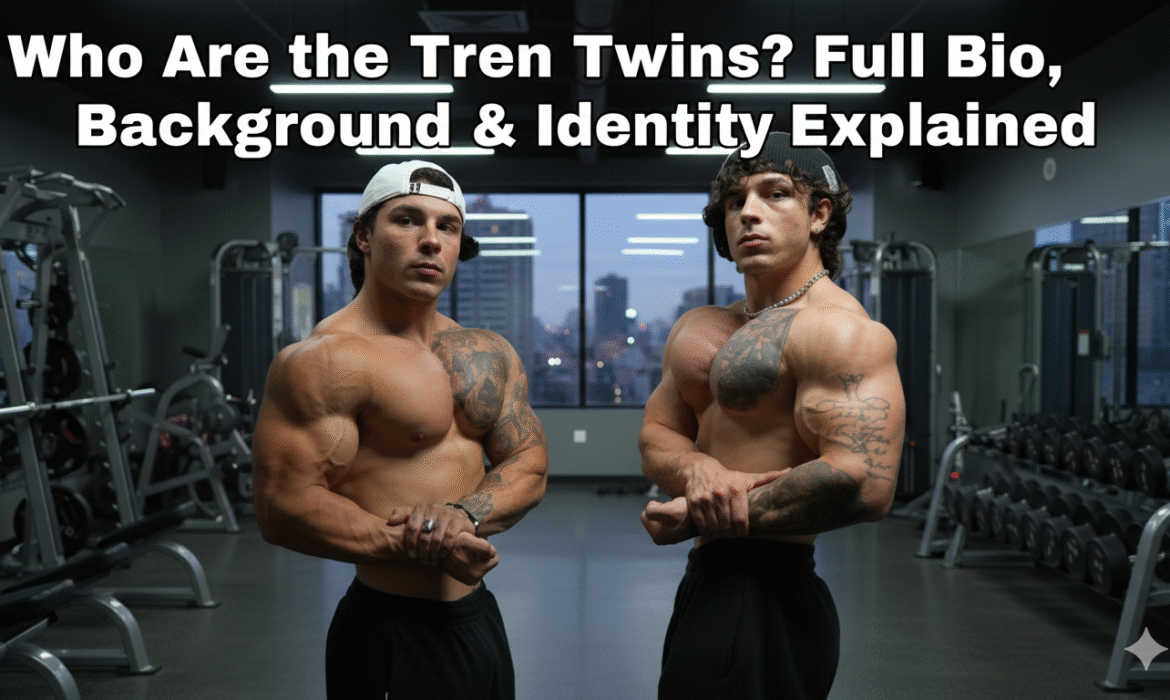
Who Are the Tren Twins? Full Bio, Background & Identity Explained
Who Are the Tren Twins? Full Bio, Background & Identity Explained
Estimated reading time: 14 minutes
Introduction
The Tren Twins have emerged as notable figures in the fitness and bodybuilding community, captivating fans with their unique blend of humor, honesty, and impressive physiques. As prominent social media personalities, Michael and Christian Gaiera have attracted millions of followers worldwide. This article delves into who the Tren Twins really are, their background, career trajectories, and the identity that has captivated fitness enthusiasts globally.
Who Are the Tren Twins?
The Tren Twins are two brothers, Michael and Christian Gaiera, known primarily for their fitness influencer status. Originating from Michigan, USA, they have quickly risen to prominence by sharing gym content infused with both authenticity and comedy. Often recognized for their no-filter approach to bodybuilding and supplementation, they stand out in a genre crowded with conventional fitness personalities.
Their appeal rests on their relatable and transparent attitude about the realities of fitness culture, including candid discussions on performance-enhancing substances and the challenges of competitive bodybuilding. The brothers are admired not only for their physiques but also for their ability to engage audiences with genuine and entertaining content.
Background and Early Life
Michael and Christian Gaiera were born and raised in Michigan. While they share a strong bond as brothers and fitness partners, they are fraternal twins rather than identical, which contributes to subtle differences in appearance despite their remarkable physical similarities.
Growing up, both brothers showed an interest in sports and physical fitness. Their early years were influenced by competitive athletics and a passion for weightlifting, which laid the foundation for their later pursuits in bodybuilding and social media fitness entrepreneurship.
Career and Rise to Fame
The Tren Twins began their journey primarily through social media platforms such as YouTube, TikTok, and Instagram. Their content, a distinctive fusion of genuine workout advice, comedic gym skits, and unfiltered commentary on bodybuilding culture, quickly attracted a substantial audience.
Unlike many fitness pages that focus heavily on polished aesthetics, the Tren Twins embraced a more raw, real-world presentation. This resonated with viewers seeking transparency in an often idealized industry. Their usernames and branding helped build a cult following intrigued by their personality-driven approach.
In addition to social media success, the Tren Twins have leveraged their platform to educate their community on training methods, supplementation, diet strategies, and mental health aspects related to fitness and competitive bodybuilding.
Identity and Personalities
Michael and Christian each bring a unique personality to their joint brand. Michael is frequently seen as the more straightforward and pragmatic of the two, often focusing on science-backed fitness methods and direct communication.
Christian adds a complementary comedic edge and charisma that enriches their joint content. Together, they balance professionalism with entertainment, making their channels engaging and informative.
Despite their fraternal twin status, their shared goals, similar training philosophies, and tight-knit relationship emphasize the inseparability of their brand identity, reinforcing the “Tren Twins” persona.
Why They Are Called the Tren Twins
The nickname “Tren Twins” derives from trenbolone, a powerful anabolic steroid referenced openly in their discussions about performance-enhancing drugs. Their willingness to discuss topics that many fitness influencers avoid—such as steroid use—has differentiated them in the fitness industry.
This nickname also symbolizes their bold transparency regarding bodybuilding’s more controversial aspects, contributing to their reputation for brutal honesty and a no-nonsense approach to training and physique enhancement.
Though some critics may misunderstand or stigmatize the moniker, the twins have embraced it as part of their authentic fitness identity, encouraging dialogue about the realities behind building elite physiques.
Conclusion
The Tren Twins, Michael and Christian Gaiera, have established themselves as influential figures by blending authentic bodybuilding knowledge with humor and candid conversation. Their background as fraternal twin brothers from Michigan, combined with their unique brand identity centered on transparency and fitness culture critique, resonates strongly with a global audience.
They challenge traditional influencer norms by confronting taboo topics openly, thereby providing a fresh perspective in the world of fitness and bodybuilding. As their platform continues to grow, the Tren Twins exemplify how authenticity, personality, and expert insight can combine to build a powerful and respected brand in a crowded industry.
Whether you are a fitness enthusiast, aspiring bodybuilder, or just intrigued by their persona, understanding who the Tren Twins are offers valuable insight into modern fitness influencer culture and the dynamics of social media-driven personal branding.
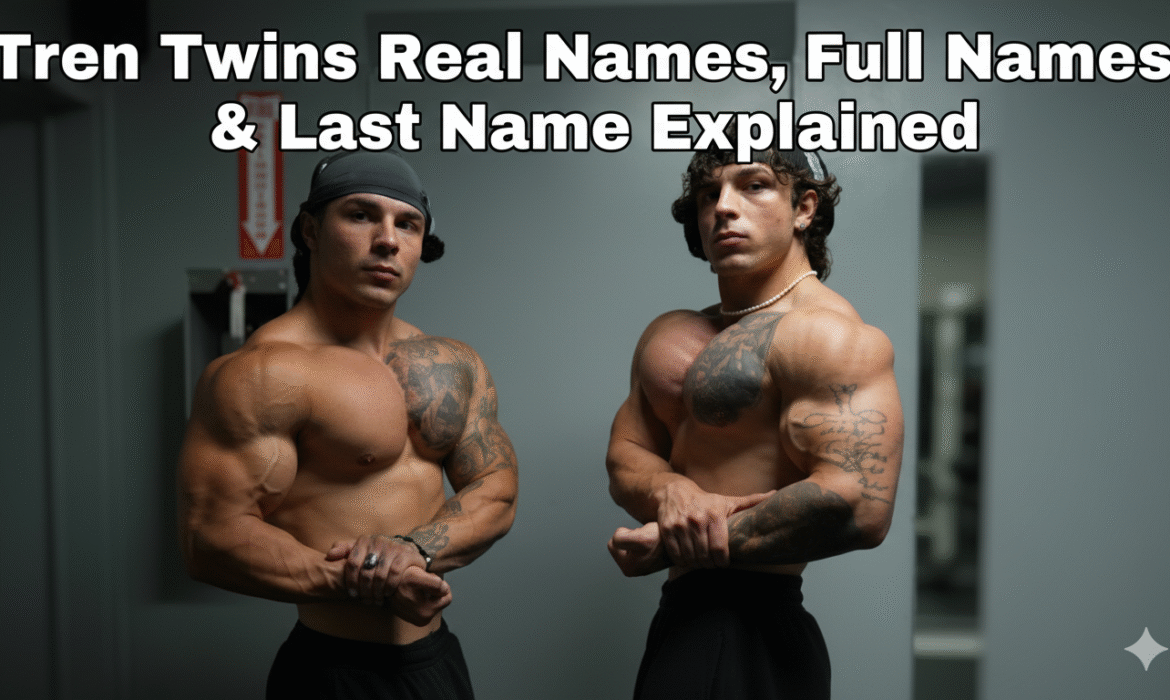
Tren Twins Real Names, Full Names & Last Name Explained
Tren Twins Real Names, Full Names & Last Name Explained
Estimated reading time: 8 minutes
Key Takeaways
-
- The Tren Twins’ real names are Christian Gaiera and Michael Gaiera
- Their surname is Gaiera, pronounced “guy-AIR-uh”
- Christian is often shortened to Chris Gaiera, while Michael goes by Mike Gaiera
- Their birth names and legal names remain Christian and Michael—no stage names involved
- The “Tren” nickname comes from trenbolone, a powerful anabolic steroid, though they’ve never confirmed personal use
- The Gaiera brothers built their brand on authenticity and transparency about fitness culture
- They hail from Michigan and were born in 2001, making them twins in both name and birth
The Tren Twins Real Names Revealed
Let’s cut straight to the answer everyone’s searching for: the Tren Twins’ real names are Christian Gaiera and Michael Gaiera. These aren’t stage names or internet aliases—Christian and Michael are their actual birth names, and Gaiera is their legal surname.
Unlike many fitness influencers who create elaborate personas or adopt completely different identities online, the Gaiera brothers have maintained a relatively straightforward approach to their naming. They simply added the “Tren Twins” moniker as a catchy brand while keeping their real identities intact and publicly known.
Full Name Breakdown
| Twin | First Name | Common Nickname | Full Name | Stage Name |
|---|---|---|---|---|
| Twin #1 | Christian | Chris | Christian Gaiera | Chris Tren / Christian Tren |
| Twin #2 | Michael | Mike | Michael Gaiera | Mike Tren / Michael Tren |
Both brothers were born in 2001 in Clinton Township, Michigan, making them identical twins not just in appearance but also in their approach to fitness, content creation, and business building.
Understanding the Gaiera Brothers Background
The Gaiera surname isn’t particularly common in the United States, which has led to some confusion among fans trying to track down information about the twins’ background and family history. While the brothers have kept many details about their personal lives private—a smart move in today’s oversharing digital landscape—they’ve shared enough breadcrumbs for dedicated followers to piece together their story.
Early Life in Michigan
Christian and Michael Gaiera grew up in the Metro Detroit area, specifically in Clinton Township. This working-class Michigan suburb provided the backdrop for their introduction to weightlifting and bodybuilding culture. The brothers have mentioned in various videos and podcasts that they started training seriously in their teenage years, well before launching their social media presence.
The Midwest fitness culture, particularly in Michigan, has a rich history rooted in old-school bodybuilding principles. This environment likely influenced the Gaiera brothers’ no-nonsense approach to training and their disdain for fitness industry marketing gimmicks.
The Gaiera Family Connection
While the twins maintain relative privacy about their family members, they’ve occasionally referenced their upbringing and family support system. The Gaiera brothers credit their competitive nature partially to growing up as twins—constantly pushing each other in the gym and in life created a natural rivalry that fueled their progress.
This sibling dynamic became a cornerstone of their content strategy. Viewers don’t just watch two fitness influencers; they watch two brothers with genuine chemistry, inside jokes, and the kind of rapport that can’t be manufactured or scripted.
Why They’re Called the “Tren Twins”
The elephant in the room: why “Tren”? For anyone unfamiliar with bodybuilding culture, trenbolone (commonly called “tren”) is one of the most powerful anabolic steroids used by competitive bodybuilders. It’s known for producing dramatic muscle gains and strength increases, but also comes with significant health risks and side effects.
The Origin Story
The “Tren Twins” nickname emerged from the bodybuilding community’s tendency to humorously attribute impressive physiques to steroid use. The brothers embraced this tongue-in-cheek moniker rather than fighting against it, turning potential criticism into a memorable brand.
This decision demonstrates savvy marketing instincts. In an industry where many influencers claim to be “lifetime natural” despite obvious signs of performance-enhancing drug use, the Gaiera brothers took a different approach. By adopting the “Tren Twins” name, they acknowledged the realities of modern bodybuilding culture without necessarily confirming or denying their own choices—a strategy that earned them credibility with experienced lifters tired of obvious deception.
Controversy and Authenticity
The name choice has sparked ongoing debate in fitness communities. Some criticize it as glorifying steroid use, while others appreciate the honesty and self-awareness it represents. The brothers themselves have addressed this in various content pieces, maintaining that their name is primarily meant to be humorous and attention-grabbing rather than a confession or recommendation.
According to research on fitness influencer marketing published by Statista, authenticity remains the top factor followers value in fitness content creators. The Tren Twins’ willingness to exist in this gray area—not preaching natural bodybuilding but also not explicitly promoting drug use—has resonated with audiences tired of the industry’s typical dishonesty.
Christian Gaiera: The Full Identity
Christian Gaiera (often called Chris Gaiera or Chris Tren) represents one half of the dynamic duo. While the twins are remarkably similar in appearance, training philosophy, and content style, Christian has developed subtle distinguishing characteristics that long-time followers recognize.
Chris Gaiera’s Role
In many of their videos, Christian takes a slightly more vocal role in narration and explanation. He often handles the technical breakdowns of exercises and responds to comments with detailed answers. This doesn’t mean Michael is silent—far from it—but Christian has naturally assumed a co-leadership position in their content creation process.
Personal Brand Elements
-
-
- Social Media Presence: Active on personal accounts using variations of his real name
- Community Engagement: Known for detailed responses to training questions
- Content Style: Combines humor with practical advice
- Training Philosophy: Emphasizes progressive overload and consistency over trendy programs
-
Christian’s approach to his online identity exemplifies the balance between personal branding and partnership dynamics. He maintains enough individual presence to be recognized on his own merits while leveraging the power of the twin brand they’ve built together.
Michael Gaiera: Complete Name Breakdown
Michael Gaiera (commonly known as Mike Gaiera or Mike Tren) completes the Tren Twins partnership. Like his brother, Michael’s birth name and legal name are identical—there’s no hidden identity or elaborate backstory to uncover.
Mike Gaiera’s Contributions
-
-
- Training Demonstrations: Often featured performing exercises with technical precision
- Humor and Personality: Known for quick wit and comedic timing in their videos
- Authenticity: Shares both training successes and struggles transparently
- Community Building: Engages with followers across multiple platforms
-
The Mike vs. Michael Question
Interestingly, both “Mike” and “Michael” appear in various official contexts associated with the twins’ business ventures and social media accounts. This flexibility is common—Michael serves as his formal, legal name while Mike functions as the everyday shorthand most fans use.
Neither brother seems particularly concerned with which version followers use, which aligns with their overall laid-back approach to personal branding. The focus remains on content quality and training knowledge rather than meticulous personal brand management.
The Evolution of Their Online Presence
Understanding the Tren Twins’ real identity requires examining how they’ve presented themselves across platforms and over time. Unlike influencers who carefully construct elaborate personas, Christian and Michael Gaiera have maintained relatively consistent public identities since entering the fitness content space.
Platform Strategy
-
-
- YouTube: Long-form training content, gym vlogs, and detailed exercise tutorials
- TikTok: Short, punchy clips often featuring humorous takes on gym culture
- Instagram: Daily updates, transformation posts, and community engagement
-
This multi-platform approach has helped them build a diverse audience while maintaining name recognition. Whether someone discovers them as “Tren Twins,” “Christian and Michael Gaiera,” or “the Gaiera brothers,” the consistent branding ensures recognition.
Content Evolution
Their early content focused heavily on training demonstrations and gym humor. As their audience grew, the twins expanded into:
-
-
- Reaction videos to fitness industry trends
- Supplement reviews and product critiques
- Collaboration with other fitness influencers
- Personal Q&A sessions addressing fan questions
- Training philosophy discussions
-
Throughout this evolution, Christian and Michael have kept their real names visible in video descriptions, social media bios, and collaborative content. This transparency has built trust with their audience—people know exactly who they’re following.
Common Name Variations and Nicknames
When searching for information about the Tren Twins, you’ll encounter various name combinations and spellings. Here’s a comprehensive breakdown of the legitimate variations:
Official Name Variations
Christian Gaiera:
-
-
- Christian Tren (combining real first name with brand name)
- Chris Gaiera (shortened first name)
- Chris Tren (shortened first name with brand)
-
Michael Gaiera:
-
-
- Michael Tren (combining real first name with brand name)
- Mike Gaiera (shortened first name)
- Mike Tren (shortened first name with brand)
-
Collective Terms:
-
-
- Tren Twins (primary brand name)
- The Gaiera Brothers (family name emphasis)
- Gaiera Twins (hybrid approach)
- TrenTwins (single word variation)
-
Misspellings and Misconceptions
Common mistakes when searching for their real identity:
-
-
- “Tren Twins real identity” (correct search intent, often leads to their actual names)
- Surname misspellings: “Gaera,” “Gayera,” “Guiera” (incorrect)
- First name confusions: Sometimes confused with other fitness influencers
-
Understanding these variations helps explain why some fans struggle to find comprehensive information about Christian and Michael’s background. The intersection of their brand name (“Tren Twins”) and their legal names (Christian Gaiera and Michael Gaiera) creates multiple valid search queries.
The Business Behind the Names
Beyond personal identity, the Tren Twins’ real names connect to their business operations and brand development. Like many successful content creators, Christian and Michael have transformed their personal brand into legitimate business ventures.
Legal and Business Entities
When fitness influencers reach a certain scale, they typically establish formal business structures for:
-
-
- Brand partnerships and sponsorships
- Merchandise sales
- Potential supplement lines
- Intellectual property protection
-
While the Gaiera brothers haven’t publicly disclosed all their business entity details (nor should they be expected to), their real names likely appear on various legal documents, contracts, and business registrations that support their content empire.
Trademark and Brand Protection
The “Tren Twins” name itself represents valuable intellectual property. As their following has grown into the millions across platforms, protecting this brand becomes increasingly important. This is where the distinction between their personal names (Christian Gaiera and Michael Gaiera) and their commercial brand (Tren Twins) becomes legally significant.
According to guidelines from the U.S. Patent and Trademark Office, personal names can be trademarked when they acquire “secondary meaning” through commercial use. The Tren Twins have likely explored or executed trademark protection to prevent unauthorized merchandise or impersonation attempts.
Privacy, Public Identity, and Boundaries
Despite operating in the public eye, Christian and Michael Gaiera have maintained certain boundaries around their personal information. This balance between accessibility and privacy represents a mature approach to influencer culture.
What They Share
-
-
- Their first names and surname
- General geographic location (Michigan roots)
- Training history and philosophy
- Business partnerships and sponsorships
- Their approach to content creation
-
What Remains Private
-
-
- Specific residential addresses
- Detailed family member information
- Financial specifics beyond general business success
- Certain personal relationship details
- Private social media accounts for close friends and family
-
This selective transparency has helped them build authentic connections with followers while maintaining personal safety and privacy—an increasingly important balance in the digital age.
FAQs About the Tren Twins’ Real Names
What are the Tren Twins’ full names?
The Tren Twins’ full names are Christian Gaiera and Michael Gaiera. Christian is often called Chris, while Michael commonly goes by Mike. Their surname is Gaiera, making their complete legal names Christian Gaiera and Michael Gaiera respectively. These are their birth names—not stage names or internet pseudonyms. The “Tren Twins” serves as their brand name within the fitness industry, but they maintain their real identities publicly and haven’t adopted entirely separate personas like some content creators.
What is the Tren Twins’ last name?
The Tren Twins’ last name is Gaiera (pronounced “guy-AIR-uh”). Both Christian and Michael share this surname as biological twins. The Gaiera name isn’t particularly common in the United States, which occasionally leads to misspellings or confusion when fans search for information about the brothers. Their surname appears on their social media profiles, YouTube channel information, and various business-related materials, making it easily verifiable for anyone looking to confirm their real identity.
Are “Tren Twins” their real names or stage names?
“Tren Twins” is a brand name and nickname, not their legal names. Their real names are Christian Gaiera and Michael Gaiera. The “Tren” portion references trenbolone, a powerful anabolic steroid known in bodybuilding circles. The brothers adopted this moniker as a memorable brand that acknowledges bodybuilding culture’s realities while maintaining a humorous, self-aware tone. Unlike some influencers who completely separate their real identity from their online persona, Christian and Michael use both their real names and the Tren Twins brand interchangeably across their content and platforms.
How did Christian and Michael Gaiera become known as the Tren Twins?
The nickname “Tren Twins” emerged from bodybuilding community humor about attributing impressive physiques to steroid use, specifically trenbolone. Rather than fight this perception or make dubious “natural” claims, Christian and Michael embraced the tongue-in-cheek moniker, turning it into a memorable brand. This decision demonstrated marketing savvy and cultural awareness—they understood that the fitness industry’s authenticity problem created space for influencers willing to exist in the gray area between explicit natural claims and open drug advocacy. The name stuck because it was catchy, slightly controversial, and refreshingly honest in an industry known for deception.
Who is older, Christian or Michael Gaiera?
While Christian and Michael Gaiera are twins born in 2001, the specific birth order (who arrived first) hasn’t been publicly emphasized in their content. Twin birth order, while technically factual, rarely matters in practical terms, especially for content creators who present themselves as equal partners. Both brothers share the same age and have developed their fitness journeys, business ventures, and content creation careers in parallel. Unlike some sibling influencer teams where age creates a clear hierarchy, the Gaiera brothers maintain equal standing in their brand and content creation process.
Are the Gaiera brothers their real legal names or nicknames?
Christian Gaiera and Michael Gaiera are their real, legal birth names—not nicknames, stage names, or internet aliases. The brothers have been transparent about their actual identity from the beginning of their content creation journey. The only variations come from common shortenings: Christian to Chris, and Michael to Mike. These informal versions appear interchangeably across their social media presence, but their official legal names remain Christian and Michael. This straightforward approach to identity has contributed to their reputation for authenticity in an industry where elaborate personas and hidden identities are common.
What nationality or ethnicity is the surname Gaiera?
While the Gaiera brothers haven’t provided extensive details about their ethnic background or family history, the surname Gaiera appears to have possible Italian or Mediterranean origins based on linguistic patterns and naming conventions. However, without direct confirmation from Christian or Michael, this remains speculative. The brothers were born and raised in Michigan, making them American by nationality, though their ancestral heritage connected to the Gaiera surname could trace to various European regions. They’ve focused their public content on fitness and training rather than detailed genealogical discussions, keeping certain personal background elements private.
Conclusion
The Tren Twins’ real names—Christian Gaiera and Michael Gaiera—represent more than just legal identification. These names connect to real people with Michigan roots, genuine twin brotherhood, and an authentic approach to fitness content creation that has resonated with millions.
Unlike the fitness industry’s typical pattern of manufactured personas and hidden identities, the Gaiera brothers have maintained transparency about who they actually are. They haven’t created elaborate backstories or adopted completely separate stage identities. Christian is Chris, Michael is Mike, and together they’re the Tren Twins—a straightforward approach that has paradoxically helped them stand out in a crowded influencer landscape.
Their surname, Gaiera, might not be household-famous like some fitness dynasty families, but it represents something potentially more valuable: authenticity. In an industry plagued by fake natties, unrealistic expectations, and dishonest marketing, knowing exactly who you’re following matters.
Whether you discovered them as the Tren Twins, stumbled across Christian and Michael Gaiera through fitness forums, or simply wondered about the real people behind the viral content, the answer is refreshingly simple. They’re two brothers from Michigan who got really strong, built impressive physiques, and decided to share their journey with the world—real names attached.
The Gaiera brothers have proven that you don’t need an elaborate alter ego or mysterious background to succeed in fitness content creation. Sometimes, being exactly who you are—Christian and Michael, two twins who love lifting heavy and calling out industry BS—is more than enough.
Common Video Editing Mistakes Beginners Make & How to Fix Them
You’ve captured hours of footage, opened your editing software with enthusiasm, and started piecing together what you hope will be a compelling video. Three hours later, you’re staring at a timeline that somehow looks worse than when you started—the audio cuts in and out, transitions feel jarring, and the whole thing just doesn’t flow the way you imagined.
Sound familiar?
Every professional editor has been there. The difference between amateur footage and polished content isn’t necessarily expensive gear or years of film school—it’s understanding which mistakes drain your video’s impact and knowing exactly how to fix them.
After working with hundreds of aspiring video creators, I’ve noticed the same editing errors appearing again and again. The good news? Once you recognize these patterns, your improvement curve accelerates dramatically. This guide breaks down the most common beginner video editing mistakes and provides actionable solutions you can implement in your very next project.
Why Video Editing Mistakes Matter More Than You Think
Before diving into specific errors, let’s address why editing quality significantly impacts your content’s success.
According to research from Microsoft’s attention span studies, viewer attention drops sharply after just eight seconds of unengaging content. Poor editing—whether it’s distracting transitions, audio issues, or pacing problems—gives viewers immediate permission to click away. Meanwhile, well-edited videos keep audiences engaged longer, signal professionalism, and dramatically improve your chances of building a loyal following.
The editing phase transforms raw footage into a story. Miss the fundamentals here, and even beautifully shot footage falls flat.
The Jump Cut Catastrophe: When Cuts Feel Jarring
One of the most prevalent rookie video editing mistakes involves jump cuts—those abrupt, visually jarring transitions where the subject appears to “jump” from one position to another within the same shot.
The Problem
Jump cuts happen when you remove a section of continuous footage without changing camera angles. If you’re cutting out “ums” and pauses from a talking head video, you might notice the speaker’s head suddenly shifts positions, creating an unsettling visual pop.
While intentional jump cuts work brilliantly in certain contexts (Casey Neistat’s vlogs, for example), unintentional ones scream “amateur hour.”
The Fix
You have several solutions depending on your content style:
Use B-roll coverage: Cut away to relevant visuals when removing sections of dialogue. If you’re discussing camera settings, show footage of someone adjusting a camera instead of staying locked on the speaker.
Change camera angles: If you’re filming interviews or talking head content, record with multiple cameras simultaneously or film the same content from different angles to create natural cutting points.
Apply subtle zoom transitions: A slight digital zoom (103-105% scale) between cuts can smooth the transition, though use this sparingly to avoid the “Ken Burns effect” overload.
Embrace strategic jump cuts: If your content style suits it, lean into jump cuts deliberately. Keep them quick, rhythmic, and consistent throughout your video rather than using them sporadically.
Transition Turbulence: The Star Wipe Syndrome
Remember PowerPoint presentations from the early 2000s with every slide featuring a different wacky transition? Don’t bring that energy to your video editing.
The Problem
Beginners often discover their editing software’s transition library and enthusiastically apply spinning wipes, page turns, and star transitions throughout their video. The result feels like a theme park ride no one asked to take.
Excessive or inappropriate transitions distract viewers from your actual message and date your content immediately.
The Fix
Default to cuts: Professional editors use simple cuts for 90% of their transitions. A well-timed cut is invisible to viewers because our brains naturally fill in the gap.
Reserve dissolves for purpose: Cross-dissolves work beautifully for time passing, location changes, or emotional shifts in your narrative. They shouldn’t appear randomly between every shot.
Match transitions to content tone: High-energy sports content might justify quick wipes or zooms. Corporate interviews? Stick with cuts and occasional dissolves.
Create a transition style guide: Choose 2-3 transition types maximum for your project and use them consistently. This creates visual cohesion rather than chaos.
| Transition Type | Best Used For | Avoid Using For |
|---|---|---|
| Simple Cut | 90% of editing, maintaining pace | Emotional or time shifts |
| Cross-Dissolve | Time passage, mood changes, montages | Fast-paced action sequences |
| Dip to Black | Chapter breaks, major scene changes | Frequent use within scenes |
| Wipes/Effects | Music videos, playful content, deliberate style | Professional or corporate content |
The Audio Apocalypse: Sound Issues That Ruin Great Visuals
Here’s an uncomfortable truth: viewers will tolerate mediocre visuals far longer than they’ll endure poor audio. Yet audio mistakes consistently rank among the most common editing problems beginners overlook.
The Problem
Typical sound editing mistakes include:
- Inconsistent volume levels between clips, forcing viewers to constantly adjust their volume
- Abrupt audio cuts that create jarring silence or sudden noise
- Background music overpowering dialogue
- Ignoring room tone and ambient sound continuity
- Not removing mouth clicks, breaths, or rustling in close-up dialogue
The Fix
Normalize audio levels early: Most editing platforms include audio normalization tools. Use them to create consistent baseline levels across all clips before fine-tuning. Dialogue typically sits around -12dB to -6dB, while background music should stay between -20dB to -18dB.
Apply audio transitions: Just like video cuts need smoothing sometimes, audio benefits from short crossfades (usually 5-15 frames) to prevent abrupt silence or pops between clips.
Record room tone: Capture 30 seconds of “silence” in any location you film. This ambient sound becomes invaluable for covering gaps or smoothing audio transitions during editing.
Use keyframes for music ducking: When dialogue appears, your background music should automatically lower (typically 8-12dB). Set keyframes to create these dynamic volume changes rather than manually adjusting levels throughout your timeline.
Monitor with good headphones: Your laptop speakers won’t reveal audio issues that become glaringly obvious when viewers use headphones. Invest in decent monitoring headphones and use them consistently.
According to Dolby’s research on audio quality, poor audio quality reduces perceived video quality by up to 50%, regardless of visual clarity. Your ears matter more than your eyes in post-production.
Export Settings Errors: Losing Quality at the Finish Line
You’ve crafted the perfect video, but when you upload it to YouTube or share it with clients, the quality looks nothing like what you saw in your editing software. This frustrating scenario usually stems from wrong export settings mistakes.
The Problem
Common export issues include:
- Exporting at lower resolution than your source footage
- Using inappropriate codecs that cause quality loss or compatibility problems
- Ignoring frame rate consistency
- Overlooking bitrate settings that determine final quality
- Not optimizing for specific platforms (YouTube, Instagram, TikTok each prefer different specifications)
The Fix
Match your sequence settings to your footage: If you filmed in 4K at 24fps, your sequence should reflect those same settings. Mixing frame rates creates stuttering motion, while mismatched resolutions cause unnecessary scaling.
Learn platform-specific requirements: YouTube recommends H.264 codec with MP4 wrapper, while Instagram prefers square (1:1) or vertical (4:5) formats for feed posts. Create export presets for each platform you regularly use.
Use appropriate bitrate: Higher bitrate means better quality but larger file sizes. For 1080p footage, target 8-12 Mbps for standard quality, 15-25 Mbps for high quality. 4K footage needs 35-50 Mbps for clean results.
Export in compatible formats: H.264 remains the most universally compatible codec. Unless you have specific reasons for using ProRes, DNxHD, or other formats, stick with H.264 for final delivery.
Keep a master copy: Export one high-quality master file with maximum bitrate, then create compressed versions for different platforms from that master. Never re-compress already compressed footage.
Color Grading Chaos: When “Cinematic” Goes Wrong
Instagram filters have convinced many beginners that slapping a preset on footage equals professional color grading. The reality involves much more nuance.
The Problem
Color grading beginner mistakes typically manifest as:
- Over-saturated footage that looks cartoonish
- Excessive contrast that crushes blacks and blows out highlights
- Inconsistent color temperature between shots in the same scene
- Applying LUTs (Look-Up Tables) without understanding or adjusting them
- Skipping color correction before grading
The Fix
Always correct before grading: Color correction (balancing exposure, white balance, and contrast to match shots) must happen before color grading (applying creative looks). It’s like priming a wall before painting.
Use scopes, not just your eyes: Your monitor’s brightness and calibration affect how you perceive colors. Waveforms, vectorscopes, and histograms provide objective data about your image. Most professional editors reference scopes more than their preview monitor.
Maintain skin tone consistency: Human skin contains specific color ratios regardless of ethnicity. On a vectorscope, skin tones should fall along the “skin tone line” between yellow and red. This provides an excellent reference point for natural-looking footage.
Adjust LUTs, don’t just apply them: LUTs designed for one camera’s color science rarely work perfectly on different footage. Apply the LUT at 50-75% opacity, then fine-tune the result rather than using it at 100% strength.
Create a style guide for projects: Define your color palette at the project’s beginning. Choose 2-3 dominant colors and maintain that consistency throughout. This creates a cohesive visual identity rather than random color shifts between scenes.
Pacing Problems: When Videos Feel Too Long or Too Rushed
Pacing issues in editing separate engaging content from videos people close after thirty seconds. Yet pacing remains one of the subtlest skills to develop.
The Problem
Poor pacing manifests as:
- Scenes that drag on past their narrative purpose
- No variation in shot length, creating monotonous rhythm
- Important information rushed while irrelevant content lingers
- Failing to build momentum toward key moments
- Not respecting the natural rhythm of music or dialogue
The Fix
Use the “first boredom” rule: Watch your rough cut and note the exact moment you first feel bored in each scene. That’s usually where you should cut, even if it feels too early. Audiences bore faster than editors because you’ve already watched the footage dozens of times.
Vary shot duration intentionally: Quick cuts (1-2 seconds) build energy and urgency. Longer holds (4+ seconds) allow reflection and emotional weight. Alternate between them based on your content’s emotional requirements.
Write a beat sheet: Before editing, outline the emotional beats your video should hit. Map these to approximate timestamps. This creates a pacing template that ensures you’re building toward something rather than wandering aimlessly.
Align cuts to music: Even in non-music videos, background music provides rhythmic cues. Align your cuts to prominent beats, bass drops, or melodic shifts. This creates subconscious satisfaction for viewers even when they don’t consciously notice the synchronization.
Test with fresh eyes: After editing, wait 24 hours, then watch your video at 1.25x speed. Sections that feel slow even at faster playback definitely drag at normal speed.
Storytelling Stumbles: Forgetting Narrative Structure
Technical execution matters, but poor storytelling in editing kills even perfectly graded, well-paced videos. Many beginners treat editing as assembling footage chronologically rather than crafting a compelling narrative.
The Problem
Narrative issues include:
- No clear beginning, middle, and end structure
- Introducing information without context or setup
- Failing to establish stakes or emotional investment
- Including footage just because you filmed it, not because it serves the story
- Not considering viewer questions and addressing them sequentially
The Fix
Start with story, not footage: Before opening your editing software, write out your story in sentence form. “Person encounters problem → tries solutions → overcomes challenge → reflects on lesson learned.” Then find footage that supports each story beat.
Apply the “so what?” test: For every clip in your timeline, ask “So what? Why does this matter to viewers?” If you can’t answer convincingly, that clip probably doesn’t belong regardless of its technical quality.
Create emotional arcs: Even corporate training videos benefit from emotional progression. Viewers should feel differently at the end than at the beginning. Map these emotional shifts and ensure your editing supports them through music choices, pacing, and shot selection.
Use the rule of threes: Humans find satisfaction in patterns of three. Three examples, three attempts, three perspectives. This structure appears throughout successful storytelling across cultures.
Consider cold opens: Starting with your most compelling moment, then jumping back to explain how you got there, immediately hooks attention. Save your second-best moment for the ending, and your third-best for the middle when attention typically wanes.
The Perfectionism Trap: Over-Editing Your Work
Counterintuitively, one of the most damaging beginner editing improvement tips to ignore is “keep working until it’s perfect.” Over-editing creates as many problems as under-editing.
The Problem
Perfectionistic editing manifests as:
- Making micro-adjustments that viewers will never notice
- Second-guessing decisions and reverting to previous versions repeatedly
- Polishing one section endlessly while leaving other parts rough
- Losing objectivity after watching the same footage hundreds of times
- Missing deadlines or never publishing because “it’s not quite ready”
The Fix
Set completion criteria upfront: Define what “done” means before you start editing. “All sections under 2 minutes,” “consistent audio levels throughout,” “no awkward pauses in dialogue.” When you meet those criteria, you’re finished.
Implement the 80/20 rule: The first 80% of quality comes from 20% of your effort. The final 20% of polish requires 80% additional effort. Know when diminishing returns make further editing wasteful.
Get external feedback early: Share rough cuts with trusted colleagues or friends. Fresh perspective reveals actual issues versus imagined ones. You might agonize over a transition no one else even notices.
Use versioning: Save incremental versions (Editv1, Editv2, etc.) rather than endlessly modifying one file. This provides rollback safety and helps you track whether changes actually improve the final product.
Ship and improve: Real-world audience feedback teaches more than indefinite self-editing. Publish, analyze performance, apply lessons to your next project. Continuous improvement beats perpetual perfection-seeking.
Technical Workflow Mistakes That Slow You Down
Beyond creative decisions, technical workflow choices dramatically impact editing efficiency and quality.
Common Workflow Errors
Not organizing footage before editing: Dumping all clips into one folder creates chaos when you’re searching for that specific b-roll shot among 300 files.
Skipping proxy workflows: Editing native 4K footage on modest hardware creates laggy playback and frustration. Proxy files (lower-resolution editing copies) solve this.
Ignoring keyboard shortcuts: Mousing through menus for every action makes editing unnecessarily slow. Learning just 10-15 keyboard shortcuts doubles your efficiency.
Not backing up projects: Hard drives fail. Computers crash. Not maintaining backups of project files and footage invites disaster.
Rendering after every change: Constantly rendering preview files after minor adjustments wastes hours over a project’s lifetime.
Workflow Solutions
Create a folder structure before importing footage:
Project_Name/
├── 01_Footage/
│ ├── A-Camera/
│ ├── B-Camera/
│ └── B-Roll/
├── 02_Audio/
│ ├── Dialogue/
│ └── Music/
├── 03_Graphics/
├── 04_Project_Files/
└── 05_Exports/
Enable automatic proxy generation in Premiere Pro, DaVinci Resolve, or Final Cut Pro. Edit using proxies, then automatically switch to full resolution for final export.
Dedicate 30 minutes to learning shortcuts for:
- Mark in/out points
- Insert/overwrite edits
- Ripple/roll/slip/slide edits
- Blade/razor tool
- Zoom timeline
- Play/pause/step forward/backward
Implement a 3-2-1 backup strategy: 3 copies of your project, on 2 different media types, with 1 copy offsite (cloud storage).
Platform-Specific Editing Considerations
Different platforms reward different editing approaches. What works brilliantly on YouTube might fail completely on TikTok.
YouTube Video Editing Best Practices
- Hook within 3 seconds: YouTube analytics show that retention drops sharply in the first 5 seconds. Start with your most compelling visual or statement.
- Maintain mid-roll ad compatibility: For monetized content over 8 minutes, leave natural pauses every 2-3 minutes where ads can insert without disrupting flow.
- Include pattern interrupts: Change camera angle, insert b-roll, or shift topics every 15-30 seconds to maintain retention.
- Design for desktop and mobile: 70% of YouTube watch time happens on mobile. Ensure text is large enough and important visual elements aren’t positioned at screen edges where mobile UI elements might obscure them.
Instagram and TikTok Editing Approaches
- Front-load value: Unlike YouTube, these platforms auto-play in feed without sound initially. Your first frame needs to visually communicate value before someone decides to tap for audio.
- Optimize for vertical: Shoot and edit in 9:16 aspect ratio. Repurposing horizontal footage to vertical creates awkward compositions and wasted screen space.
- Increase pacing: Average shot length on successful TikTok videos runs 1-2 seconds compared to 3-5 seconds on YouTube. Faster cuts match platform expectations.
- Use text overlays: Since many viewers scroll without audio, text overlays communicate key points visually.
| Platform | Ideal Length | Aspect Ratio | Pacing | Hook Time |
|---|---|---|---|---|
| YouTube | 8-15 min | 16:9 | Moderate (3-5s per shot) | First 3 seconds |
| Instagram Feed | 30-60s | 4:5 or 1:1 | Fast (2-3s per shot) | First frame |
| Instagram Reels | 15-30s | 9:16 | Very fast (1-2s per shot) | First frame |
| TikTok | 15-60s | 9:16 | Very fast (1-2s per shot) | First frame |
| 30-90s | 1:1 or 16:9 | Moderate (3-4s per shot) | First 2 seconds |
Learning Resources and Continued Growth
Avoiding amateur editing requires continuous learning. Here are proven resources for developing your skills:
Free tutorials: YouTube channels like This Guy Edits, Premiere Gal, and Casey Faris provide software-specific training. Film Editing Pro offers theory-focused education on pacing and storytelling.
Paid courses: Lynda.com (LinkedIn Learning) and Skillshare feature comprehensive editing courses. For advanced color grading, Mixing Light offers industry-leading instruction.
Practice with intention: Editing existing footage teaches more than tutorials alone. Download free stock footage from Pexels or Pixabay and practice cutting cohesive stories from random clips.
Study professional work: Watch films and videos in your genre with the sound off, paying attention exclusively to editing decisions. Note shot length, transition choices, and pacing rhythms.
Analyze your metrics: If publishing to platforms with analytics, study retention graphs. Sharp drop-offs reveal pacing or content issues. Rewatch those sections critically to understand what caused viewers to leave.
Frequently Asked Questions
What are the most common video editing mistakes beginners make?
The most frequent beginner editing errors include inconsistent audio levels, overusing flashy transitions, neglecting color correction, poor pacing that causes viewer drop-off, and using incorrect export settings that reduce video quality. Additionally, many new editors fail to establish clear storytelling structure, treating editing as mere assembly rather than narrative craft. Jump cuts without purpose and background music overpowering dialogue round out the top mistakes that immediately identify amateur work.
How can I fix audio issues in my edited videos?
Start by normalizing audio levels across all clips to create consistency—dialogue should typically peak around -12dB to -6dB. Apply short crossfades (5-15 frames) between audio cuts to prevent pops and abrupt silence. Use keyframes to duck background music 8-12dB lower when dialogue appears. Record room tone at every filming location to fill gaps and smooth transitions. Finally, invest in decent monitoring headphones since laptop speakers mask issues that become obvious to viewers using headphones or better playback systems.
What export settings should I use for YouTube videos?
For YouTube, export using H.264 codec with MP4 container format. For 1080p content, use 15-25 Mbps bitrate; for 4K, use 35-50 Mbps. Match your frame rate to your source footage (typically 24fps, 30fps, or 60fps). Set resolution to match your editing sequence—if you edited in 4K, export in 4K even if your footage was upscaled. Use two-pass encoding for better quality if time permits. For audio, export AAC codec at 320kbps in stereo. These settings provide excellent quality without creating unnecessarily large file sizes.
How do I improve pacing in my video edits?
Apply the “first boredom” rule—cut scenes the moment you first feel bored watching them, even if it seems early. Vary shot duration intentionally: use 1-2 second cuts for energy, 4+ seconds for emotional weight. Align your cuts to music beats even in non-music videos to create rhythmic satisfaction. Create a beat sheet before editing that maps emotional moments to approximate timestamps, ensuring you’re building toward something. Finally, test your rough cut at 1.25x speed—sections that drag even when accelerated definitely need tightening at normal playback.
Should I use LUTs for color grading as a beginner?
Yes, but with important caveats. LUTs (Look-Up Tables) provide excellent starting points, but never apply them at 100% opacity without adjustment. First, perform color correction to balance your footage’s exposure and white balance. Then apply your chosen LUT at 50-75% opacity and fine-tune the result based on your specific footage. Remember that LUTs designed for specific cameras rarely work perfectly on different equipment. Use scopes (waveforms, vectorscopes) rather than relying solely on your eyes, since monitor calibration affects color perception significantly.
How long should it take to edit a video?
A realistic editing ratio for beginners runs about 4:1 to 8:1—meaning four to eight hours of editing for every finished minute of video. This varies tremendously based on content complexity. A simple talking-head video might only need 2:1, while a complex narrative with effects, motion graphics, and intricate sound design might require 15:1 or higher. As you develop efficiency with keyboard shortcuts, established workflows, and faster decision-making, your ratio will improve. Professional editors working on familiar content types often achieve 2:1 to 3:1 ratios, though passion projects without deadlines can extend indefinitely.
What’s the difference between color correction and color grading?
Color correction is the technical process of balancing your footage to achieve accurate, neutral exposure, white balance, and contrast. It ensures skin tones look natural and shots within the same scene match each other. Think of it as creating a clean canvas. Color grading is the creative process that happens after correction, where you apply stylistic looks—perhaps a teal-and-orange cinematic feel, or a warm nostalgic tone. Correction fixes problems and creates consistency; grading establishes mood and visual identity. Always correct before grading, as applying creative looks to unbalanced footage amplifies problems rather than fixing them.
Conclusion: From Beginner Mistakes to Confident Editing
Video editing combines technical precision with creative storytelling in ways few other disciplines require. The mistakes outlined here—from jarring jump cuts to export setting mishaps—aren’t signs of failure. They’re natural learning stages every skilled editor has navigated.
The difference between editors who improve and those who plateau lies in intentional practice with clear awareness of common pitfalls. Now that you recognize these patterns, you can watch for them in your own work and systematically eliminate them.
Start with the fundamentals: consistent audio levels, purposeful transitions, and solid storytelling structure. Master those basics before worrying about advanced color grading or complex effects. Build competence layer by layer rather than trying to implement every technique simultaneously.
Most importantly, finish and publish projects rather than endlessly polishing. Real audience feedback from completed work teaches more than theoretical perfection-seeking. Each video you edit builds your skills, sharpens your instincts, and moves you closer to the editor you’re working to become.
Your next project will be better than your last. Not because you’ll avoid all mistakes—professionals still make them—but because you’ll recognize issues faster and know exactly how to fix them. That’s the hallmark of genuine progress: not perfection, but increasingly sophisticated problem-solving.
Now close this guide and open your editing software. You’ve got stories to tell.
Essential Video Editing Terminology Explained (Beginner Glossary)
Walking into the world of video editing for the first time feels a lot like landing in a foreign country where everyone speaks a different language. Terms like “B-roll,” “jump cut,” and “LUTs” get thrown around like everyday conversation, leaving beginners frantically Googling definitions while trying to look like they know what’s happening.
Here’s the truth: understanding video editing terminology isn’t just about keeping up with industry jargon. It’s about thinking more strategically about your edits, communicating effectively with collaborators, and unlocking features in your editing software that you didn’t even know existed.
This comprehensive glossary breaks down the essential editing vocabulary you’ll encounter whether you’re cutting together YouTube videos in your bedroom or stepping onto a professional production set. We’ll cover everything from basic timeline concepts to color grading terms, codec specifications, and audio fundamentals—all explained in plain English.
Core Timeline and Sequence Terms
Timeline
The timeline is your editing workspace—the horizontal interface where you arrange video clips, audio tracks, effects, and transitions in chronological order. Think of it as your canvas. Most editing software displays time running left to right, with multiple tracks stacked vertically that allow you to layer different elements.
Sequence
A sequence is a collection of clips arranged on your timeline with specific settings (resolution, frame rate, audio sample rate). When you export your project, you’re typically exporting a sequence. Large projects often contain multiple sequences—perhaps one for each scene or section of your video.
Playhead
That vertical line moving across your timeline? That’s your playhead (sometimes called the “scrubber”). It indicates your current position in the sequence and shows what frame you’re viewing in the preview window.
In Point and Out Point
These markers define the beginning and end of a clip segment you want to use. Setting in and out points lets you select just the portion you need without deleting the rest—a non-destructive way to trim footage.
Timecode
Timecode displays your position in hours:minutes:seconds:frames (01:23:14:05, for example). This standardized system makes it easy to reference specific moments, especially crucial when collaborating with others or working with multiple camera angles.
Essential Shot Types and Footage Categories
A-Roll
Your primary footage—typically interviews, main action, or the central visual content that tells your story. In a documentary interview, the person speaking directly to camera is A-roll.
B-Roll
Supplementary footage that adds context, covers edits, or illustrates what’s being discussed. If your A-roll is an interview about baking, your B-roll might show hands kneading dough, flour being sifted, or bread coming out of the oven. According to video production research, incorporating B-roll significantly increases viewer engagement and perceived production value.
Stock Footage
Pre-recorded video clips available for licensing, useful when you can’t capture specific shots yourself. Need footage of the Northern Lights or a bustling Tokyo street? Stock libraries have you covered.
Cut Types and Transition Terminology
Cut
The most basic transition—one clip ends and another immediately begins. Despite its simplicity, the standard cut accounts for roughly 99% of transitions in professional film editing. There’s elegance in simplicity.
Jump Cut
A cut between two shots of the same subject from slightly different positions or times, creating a jarring “jump” in continuity. Once considered an editing mistake, jump cuts now define the pacing of vlogs and social media content.
J-Cut and L-Cut
These audio-first transitions create smoother scene changes. In a J-cut, you hear the audio from the next scene before seeing it (the timeline shape resembles a “J”). In an L-cut, audio from the current scene continues as you see the next scene (shaped like an “L”). These techniques mirror how we actually experience the world—we often hear things before we see them, or continue listening as our eyes move elsewhere.
Cross Dissolve
One image gradually fades while another fades in, creating a brief overlap. Cross dissolves suggest the passage of time or a shift in location while maintaining a dreamlike smoothness.
Match Cut
A transition that connects two visually or conceptually similar shots, creating meaning through juxtaposition. Think of the famous bone-to-spaceship cut in 2001: A Space Odyssey.
Smash Cut
An abrupt transition from one scene to a dramatically different one, often used for comedic or shocking effect—like cutting from someone sleeping peacefully to a loud alarm clock.
Frame Rate and Motion Terminology
Frame Rate (FPS)
How many individual images (frames) display per second. Understanding frame rate fundamentals changes how you shoot and edit.
| Frame Rate | Common Uses | Visual Character |
|---|---|---|
| 24 fps | Cinema, film look | Traditional, slightly stutter |
| 30 fps | Television, online video | Smooth, video-like |
| 60 fps | Sports, action, smooth motion | Very smooth, hyper-real |
| 120+ fps | Slow motion source | Captured for slow playback |
Slow Motion
Footage shot at high frame rates (60fps, 120fps, 240fps) and played back at standard rates (24 or 30fps), stretching time. To get smooth slow motion, you need source footage captured at higher frame rates than your timeline.
Time Remapping
Dynamically changing playback speed within a single clip—speeding up, slowing down, or even reversing. This creates effects like the famous “bullet time” from The Matrix.
Frame Blending
A technique that creates intermediate frames when changing clip speed, smoothing motion that might otherwise look choppy. Think of it as interpolation for video.
Resolution and Format Terms Explained
Resolution
The number of pixels in your image, expressed as width × height. Higher resolution means more detail but also larger file sizes.
Common resolutions:
- 1080p (Full HD): 1920 × 1080 pixels
- 4K (UHD): 3840 × 2160 pixels
- 720p (HD): 1280 × 720 pixels
Aspect Ratio
The proportional relationship between width and height. 16:9 is standard for YouTube and television, while 9:16 dominates vertical mobile content, and 1:1 works well for Instagram feed posts.
Codec
A compression algorithm that encodes and decodes video data. According to Google’s developer documentation, choosing the right codec balances quality, file size, and compatibility. H.264 remains the most universally compatible, while H.265 (HEVC) offers better compression at the cost of processing power.
Bitrate
How much data is processed per second, measured in megabits per second (Mbps). Higher bitrates preserve more detail but create larger files. A 4K video might use 50-100 Mbps, while heavily compressed social media video might be 5-10 Mbps.
Container Format
The file wrapper that holds your video, audio, and metadata. Common containers include MP4, MOV, and AVI. Think of the codec as the language and the container as the envelope.
Color Grading and Correction Terms
Color Correction
The technical process of fixing color issues and standardizing footage so all clips match. You’re correcting problems—adjusting white balance, fixing exposure, matching shots from different cameras.
Color Grading
The creative process of establishing a visual mood or aesthetic through color manipulation. After correction comes grading—adding that teal-and-orange blockbuster look or desaturated noir atmosphere.
LUT (Look-Up Table)
A preset that transforms your color values, essentially a filter that maps input colors to output colors. LUTs provide starting points for grading or help you preview how LOG footage will look after conversion.
White Balance
Adjusting colors so whites appear truly white under different lighting conditions. Your camera might be set to daylight white balance (5600K) or tungsten (3200K), and mismatches create those orange or blue color casts that need fixing in post-production.
Saturation
The intensity or purity of colors. Increasing saturation makes colors more vivid; decreasing it moves toward grayscale.
Highlights, Midtones, and Shadows
The three tonal ranges in your image. Professional color work treats these separately, allowing you to warm highlights while cooling shadows, for example.
Audio Terminology in Video Editing
Sample Rate
For audio, the number of samples captured per second, measured in kilohertz (kHz). 48 kHz is standard for video production, while 44.1 kHz is standard for music CDs.
Bit Depth
How much information is stored for each audio sample. 16-bit is standard, while 24-bit provides more dynamic range and is preferred for professional production.
Diegetic vs. Non-Diegetic Sound
Diegetic sound exists within the world of the film (dialogue, footsteps, a radio playing in a scene). Non-diegetic sound exists outside that world (musical score, narrator voiceover). Understanding this distinction helps you mix audio more thoughtfully.
Room Tone
The ambient background sound of a location recorded separately. Editors use room tone to fill gaps, smooth edits, and maintain consistent audio texture.
Audio Ducking
Automatically lowering background music or ambient sound when dialogue or voiceover occurs. This ensures speech remains intelligible while maintaining atmospheric audio.
Equalization (EQ)
Adjusting the balance of different frequency ranges. You might boost low frequencies to add warmth to a voice or reduce harsh high frequencies from wind noise.
File Management and Workflow Terms
Project File
The file your editing software creates containing edit decisions, effects, and timeline arrangements. Importantly, it typically doesn’t contain the actual media—just references to where that media lives on your hard drive.
Media Management
How you organize and maintain access to your source files. Poor media management leads to the dreaded “media offline” error where your editing software can’t locate files.
Proxy Editing
Creating lower-resolution copies of your footage for smoother editing performance, then automatically reconnecting to high-resolution originals for export. This workflow makes editing 4K or 6K footage possible on modest computers.
Rendering
The process where your computer generates the final version of effects, transitions, and modifications. Some effects play back in real-time, while complex operations require rendering before smooth playback is possible.
Export/Encoding
Converting your timeline into a single playable video file with specific settings. You might export at different resolutions and bitrates for different platforms—full quality for archival, compressed versions for social media.
Advanced Editing Techniques and Effects
Keyframing
Setting specific parameter values at particular points in time, allowing changes to happen gradually. Want text to move across screen? Set a position keyframe at the start and another at the end—the software interpolates everything between.
Masking
Isolating specific areas of your frame for selective adjustments or effects. You might mask a window to add fake exterior footage or mask a person to apply specific color adjustments only to them.
Chroma Key (Green Screen)
Removing a specific color (usually green or blue) to composite subjects over different backgrounds. The effectiveness depends on even lighting, proper color separation, and quality keying tools.
Motion Graphics
Animated graphic elements, text, or visual effects created within or imported into your edit. Lower thirds, animated titles, and data visualizations all fall under this category.
Nested Sequence
Placing a sequence inside another sequence, treating multiple clips as a single object. This organizational technique simplifies complex projects and allows you to apply effects to entire sections.
Adjustment Layer
An invisible layer that applies effects to everything below it on the timeline. Rather than applying the same color grade to fifty individual clips, place one adjustment layer above them all.
Performance and Technical Terms
Scrubbing
Moving through your timeline by dragging the playhead, allowing quick visual scanning of footage. Smooth scrubbing requires either rendered footage or powerful hardware.
Dropped Frames
When your system can’t process footage fast enough for smooth playback, frames get skipped. This indicates performance issues—perhaps your codec is too demanding or your hard drive isn’t fast enough.
Timeline Settings
The master specifications for your sequence: resolution, frame rate, audio sample rate. Mismatched settings between footage and timeline often cause quality issues or performance problems.
Native Editing
Editing footage in its original codec without transcoding. Modern editing software increasingly supports native editing of camera codecs, though some formats (especially highly compressed ones) remain challenging.
Frequently Asked Questions
What’s the difference between video editing terms and filmmaking terminology?
Video editing terminology specifically covers the technical and creative vocabulary used during post-production—the phase where footage gets assembled, refined, and finalized. Filmmaking terminology encompasses the entire production process, including pre-production planning, on-set shooting vocabulary, and post-production editing. While there’s significant overlap, editing terms focus on timeline manipulation, effects, transitions, audio mixing, and color work rather than camera angles, lighting setups, or directing techniques.
Do I need to memorize all these editing terms before starting?
Absolutely not. Learning video editing terminology happens naturally as you work with software and watch tutorials. Start with fundamentals like timeline, playhead, cuts, and A-roll/B-roll. As you explore more advanced features—color grading, audio mixing, effects—the associated vocabulary becomes relevant and memorable through context. Trying to memorize a glossary upfront is like memorizing a dictionary before learning to read. The practice teaches the language.
Are editing terms the same across different software like Premiere Pro, Final Cut, and DaVinci Resolve?
Core concepts remain consistent across platforms—every editor understands what B-roll, jump cuts, and keyframes mean regardless of their software. However, specific feature names sometimes vary. What Adobe calls “Essential Graphics” might be “Motion Graphics” elsewhere. Timeline structures differ slightly between non-linear editors. But once you understand the fundamental editing vocabulary, transitioning between software becomes a matter of finding where familiar concepts live rather than learning entirely new principles.
Why do editors use so much jargon instead of plain language?
Precision. Saying “add a J-cut with some room tone ducked under the B-roll” communicates exactly what’s needed much faster than describing the same concept without technical terms. Specialized vocabulary exists in every profession because shared language enables efficient communication. What sounds like jargon to beginners is simply efficient communication between professionals. That said, good editors can absolutely explain these concepts in accessible ways when working with clients or beginners—which is exactly what this glossary aims to do.
What video editing terms should absolute beginners learn first?
Focus on these foundational categories: timeline navigation (playhead, in/out points, scrubbing), basic cuts and transitions (cut, cross dissolve, J-cut/L-cut), footage types (A-roll, B-roll), and essential export settings (resolution, frame rate, codec). Understanding these allows you to complete basic projects and follow most tutorials. More specialized terminology around color grading, advanced audio mixing, and complex effects becomes relevant as your projects grow more sophisticated.
How do codec and bitrate affect my understanding of video quality?
These technical terms explain why some videos look crisp while others appear blocky or compressed. The codec determines the compression algorithm—how efficiently video data gets squeezed into files. Bitrate indicates how much data represents each second of video. Together, they control the quality-versus-file-size balance. A high-quality codec like ProRes or H.265 with a generous bitrate preserves detail beautifully but creates massive files. Heavy compression (low bitrate, aggressive codec) creates small files but visible artifacts. Understanding these terms helps you make informed decisions about shooting formats, editing workflows, and export settings for different platforms.
What’s the relationship between frame rate terminology and creating professional-looking videos?
Frame rate fundamentally affects motion perception and viewer experience. Shooting at 24fps creates that “cinematic” look our eyes associate with movies, while 30fps looks more like traditional television, and 60fps appears hyperreal (great for sports and gaming content but sometimes too smooth for narrative work). Understanding frame rate terminology matters most when planning slow motion—you need high-frame-rate source footage (120fps, 240fps) to create smooth slow motion in a 24fps or 30fps timeline. Mismatched frame rates between footage and timeline create stuttering or other motion artifacts that immediately flag amateur work.
Building Your Editing Vocabulary Over Time
Learning video editing terminology isn’t about memorizing definitions for a test. It’s about gradually building a framework for thinking about the craft more strategically. When you understand what a match cut is, you start noticing them in films and thinking about where you might use one. Knowing the difference between color correction and color grading helps you approach your footage more systematically.
The vocabulary in this glossary represents concepts you’ll encounter repeatedly in tutorials, software menus, and conversations with other editors. Some terms you’ll use daily from your first project. Others won’t become relevant until you tackle specific challenges—maybe you won’t care about LUTs until you start shooting in LOG profiles, or nested sequences until your projects reach a certain complexity.
Bookmark this guide and return to it when you encounter unfamiliar terms. Over time, this editing vocabulary will become second nature, freeing your mental energy to focus on the creative decisions that transform raw footage into compelling stories. The technical language serves the creative vision—once you’re fluent in the terminology, you can focus entirely on the art.
Every professional editor started exactly where you are now, puzzled by unfamiliar jargon and uncertain about the difference between a cross dissolve and a cross fade. The path from beginner to expert isn’t about innate talent—it’s about consistent practice and gradual vocabulary building. Each new term you internalize expands your creative toolkit and makes you a more effective storyteller.
Start editing, stay curious about unfamiliar terms, and trust that fluency develops through practice rather than memorization.
How to Edit a Face in a Video (Beginner-Friendly Techniques & Tools)
Whether you’re creating content for social media, protecting someone’s identity, or perfecting the look of your video footage, learning how to edit faces in video has become an essential skill for modern creators. What once required expensive software and Hollywood-level expertise is now accessible to anyone with a smartphone or basic editing program.
Face editing in video goes far beyond simple filters. Today’s tools let you blur faces for privacy, swap expressions, smooth skin imperfections, track movement through complex scenes, and even replace faces entirely. The techniques range from straightforward one-click solutions to sophisticated methods that give you frame-by-frame control.
This guide walks you through everything from basic face blur techniques to advanced replacement workflows. You’ll discover which tools match your skill level, when to use each method, and how to achieve professional results without spending weeks learning complicated software.
Understanding the Different Types of Video Face Editing
Before diving into specific techniques, it’s helpful to understand what you’re actually trying to accomplish. Face editing in video typically falls into several distinct categories, each serving different purposes.
Privacy and anonymization involves concealing identities through blurring, pixelation, or masking. This is crucial for documentary filmmakers, journalists, and content creators who need to protect subjects’ identities while maintaining the integrity of their footage.
Enhancement and retouching focuses on improving appearance—smoothing skin texture, removing temporary blemishes, adjusting lighting on faces, or evening out skin tones. This technique is common in professional video production, beauty content, and commercial work.
Creative manipulation includes face swaps, expression changes, and special effects that alter facial features for entertainment, artistic expression, or storytelling purposes. This category has exploded in popularity with the rise of deepfake technology and social media effects.
Corrective editing addresses technical problems like motion blur on faces, poor exposure, or color grading issues that specifically affect facial areas.
Understanding which category your project falls into will help you choose the right approach and tools.
Basic Face Blurring: The Fastest Way to Edit Faces
If your primary goal is to hide or censor a face in video, motion-tracked blurring is your most efficient option. This technique has become remarkably simple with modern editing software.
Using CapCut for Quick Face Blur
CapCut has revolutionized face editing for beginners by offering automatic face detection and tracking. Here’s the streamlined approach:
Import your video into CapCut and select the clip on your timeline. Tap “Effects” and navigate to the “Video Effects” section where you’ll find “Blur” options. CapCut’s face-specific blur uses AI to detect faces automatically.
What makes this particularly powerful is the motion tracking feature. Once you apply the blur effect and tap the tracking icon, CapCut follows the face throughout the scene—even if the person moves significantly. For most casual content, this one-click solution handles 90% of face blurring needs.
The limitation? Complex movements, multiple people entering and leaving the frame, or extreme lighting changes can confuse the automatic tracking. In these scenarios, you’ll need manual keyframing or more advanced software.
Motion Tracking Face Blur in DaVinci Resolve
For those ready to step up their game, DaVinci Resolve offers professional-grade motion tracking at no cost. The learning curve is steeper, but the control is unmatched.
In Resolve, you’ll use the “Color” page or “Fusion” page to create tracked face blurs. The process involves adding a blur node, creating a power window (essentially a mask shape) around the face, then enabling tracking. Resolve analyzes the footage and follows the facial movement automatically, allowing you to adjust blur intensity, feathering, and shape as needed.
This method shines when dealing with challenging footage—fast movement, partial occlusions, or scenes where faces move in and out of frame. You can manually adjust tracking points when the algorithm loses accuracy, giving you precise control frame-by-frame when necessary.
Face Replacement and Swapping in Video
Replace face in video techniques have evolved dramatically in recent years. What once required extensive VFX knowledge is now achievable through several approaches, depending on your desired outcome and quality standards.
Manual Face Replacement in Adobe Premiere Pro
Professional editors often handle face replacement by treating it as a compositing task. If you’re working with footage where someone’s face is briefly obscured or you need to swap in a cleaner take, Premiere Pro’s masking and tracking tools provide the precision you need.
The workflow involves isolating the face you want to use from alternative footage, creating a mask that follows the contours of the face in your primary clip, then tracking that mask through the movement. You’ll layer the replacement face over the original, matching color, lighting, and perspective to blend seamlessly.
| Technique Comparison | Skill Level | Quality | Best Use Case |
|---|---|---|---|
| Automatic blur (CapCut) | Beginner | Good | Social media, quick privacy needs |
| Manual tracking (Resolve) | Intermediate | Excellent | Professional privacy, complex scenes |
| Mask replacement (Premiere) | Advanced | Professional | Fixing takes, expression swaps |
| AI face swap apps | Beginner | Variable | Entertainment, casual content |
This approach demands attention to detail—matching grain structure, ensuring proper edge blending, and adjusting for lighting differences between shots. When done well, the effect is invisible. When rushed, it looks exactly like what it is: a face pasted onto someone else.
AI-Powered Face Swap Applications
The explosion of accessible AI technology has made face swap video editing available to everyone. Apps like Reface, FaceMagic, and Deepfakes Web offer varying degrees of automation and quality.
These tools work by analyzing facial features in both the source and target videos, then using neural networks to map one face onto another while preserving expressions, lighting, and movement. The technology behind this is based on generative adversarial networks (GANs), similar to the technology discussed in research from institutions like Stanford’s AI Lab.
The ethical considerations here cannot be ignored. While face swapping can be entertaining for memes or harmless content, the same technology enables harmful deepfakes. Always ensure you have consent from everyone involved and clearly label manipulated content when sharing publicly.
From a practical standpoint, AI face swaps work best when:
- Both faces are clearly visible and well-lit
- The facial structures are relatively similar
- The video doesn’t have extreme angles or movement
- You’re willing to accept some slight uncanny valley effects
For truly convincing results that could pass professional scrutiny, you still need manual refinement even after AI processing.
Skin Smoothing and Facial Retouching in Videos
Content creators frequently ask how to achieve that polished look seen in professional videos and high-end social media content. The answer lies in subtle skin smoothing and targeted facial retouching.
The Philosophy of Video Retouching
Unlike photography, where you work with a single frame, video retouching must maintain consistency across dozens of frames per second. Over-smoothing creates an unnatural, plastic appearance that draws attention rather than enhancing the subject.
The goal is correction, not transformation. You’re evening out skin texture, reducing the appearance of temporary blemishes or shininess, and creating a more camera-ready appearance—not fundamentally altering someone’s face.
Edit Face in Premiere Pro: The Beauty Box Approach
Professional colorists often use plugins like Digital Anarchy’s Beauty Box to handle skin retouching efficiently. This plugin analyzes footage, identifies skin tones, and applies intelligent smoothing that preserves important details like eyes, eyebrows, and hair while softening skin texture.
The key parameters to adjust include:
Skin Detail controls how much texture remains visible. Higher values maintain more natural pores and variation, while lower values create smoother (sometimes overly smooth) results.
Smoothness determines the overall blur strength applied to skin areas. Professional work typically uses conservative settings—just enough to take the edge off harsh lighting or camera sensors, not enough to make someone look airbrushed.
Skin Mask lets you refine which areas the plugin considers “skin,” preventing it from smoothing backgrounds or clothing that happen to match skin tones.
For beginners without access to premium plugins, Premiere Pro’s built-in Lumetri Color panel offers a surprising amount of control. Using HSL Secondary color selection, you can isolate skin tones and apply gentle Gaussian blur or noise reduction specifically to those areas.
Mobile Video Face Retouching
Apps designed for content creators have made facial retouching remarkably accessible. When you edit face in CapCut, you’ll find dedicated beauty tools under the “Effects” menu.
These typically include:
- Skin smoothing intensity sliders
- Blemish removal tools
- Teeth whitening
- Eye brightening
- Face slimming (use cautiously)
The advantage of mobile apps is speed—you can apply these effects in seconds. The disadvantage is less precision and potential for overdoing it. A light touch yields the most professional results.
Advanced Techniques: Face Masking and Tracking
Video face masking separates professional work from amateur attempts. This technique involves creating a precise outline around a face that follows its movement through the scene, allowing you to apply effects, color corrections, or adjustments to just that facial area.
When You Need Face Masking
Several scenarios demand this level of precision:
Selective color grading where you want to adjust facial exposure or color temperature without affecting the background. Perhaps your subject’s face is overexposed while the rest of the scene is properly lit—a masked power window lets you bring down just the facial highlights.
Effect isolation when applying blur, glow, or other effects that should only affect the face or should specifically exclude it.
Complex privacy needs where automatic blur tracking fails and you need manual control over the anonymization shape.
Multi-layer compositing for green screen work, face replacement, or special effects that require rotoscoping.
Creating Tracked Face Masks in After Effects
Adobe After Effects remains the industry standard for precise face tracking and masking. The built-in face tracker analyzes footage to identify facial features, creating a mask that deforms with expressions and follows head movement.
After importing your footage, you’ll create a new mask by selecting the Pen tool and roughly outlining the face. Then, in the Tracker panel, select “Track Mask.” After Effects identifies the face and tracks it through your footage, adjusting the mask shape as the person talks, turns, or moves.
This tracking data can control effects, corrections, or serve as a base for more complex work. You can adjust tracking manually on frames where the algorithm loses accuracy, refine mask edges with feathering, and expand or contract the mask as needed.
For content creators without After Effects, Filmora and HitFilm Express offer simplified versions of mask tracking that handle many common scenarios.
Comparing Popular Face Editing Tools
The right tool depends on your skill level, budget, and specific needs. Here’s how the major options stack up:
| Software/App | Cost | Best For | Face Features | Difficulty |
|---|---|---|---|---|
| CapCut | Free | Social media creators | Auto blur, beauty, tracking | Easy |
| Adobe Premiere Pro | $22.99/mo | Professional editing | Manual masking, tracking, retouching | Moderate |
| DaVinci Resolve | Free/Paid | Color grading, tracking | Professional blur, masks, fusion effects | Moderate-Hard |
| After Effects | $22.99/mo | Complex motion graphics | Advanced tracking, rotoscoping | Hard |
| Final Cut Pro | $299 one-time | Mac users | Decent masking, blur tools | Moderate |
| Filmora | $49.99/yr | Casual creators | Easy blur, simple tracking | Easy |
| Mobile apps (Reface, etc.) | Free/Freemium | Quick face swaps | AI face replacement | Very Easy |
Budget-Conscious Face Editing Solutions
You don’t need expensive software to achieve quality results. DaVinci Resolve’s free version includes professional-grade face tracking and masking tools that rival paid alternatives. The limitation is rendering speed and some advanced features locked behind the Studio version, but for most face editing tasks, the free version is more than capable.
CapCut has become the go-to for mobile creators specifically because it offers features previously available only in desktop software. The automatic face detection, tracking, and beauty tools handle 80% of what casual creators need.
For those committed to learning professional workflows without upfront costs, Resolve + free plugins like OpenFX effects create a powerful toolkit.
Practical Workflows for Common Face Editing Scenarios
Theory means little without practical application. Here are step-by-step approaches for the most common face editing tasks.
How to Hide Face in Video for Privacy
Scenario: You’ve recorded footage with people in the background who didn’t consent to being shown.
Simple solution: Import into CapCut, apply automatic face blur effect, enable face tracking. Export and review to ensure the blur stays locked on throughout the scene.
Advanced solution: If automatic tracking fails, use Premiere Pro or Resolve to create a manual mask. Draw a mask shape around the face, enable tracking, and monitor playback. On frames where tracking drifts, add keyframes to correct the position. Apply Gaussian blur to the masked area with 40-60 pixel radius depending on resolution.
For especially challenging scenarios with multiple faces or fast movement, consider exporting the clip and using dedicated tracking software like Mocha Pro, then reimporting the tracked mask data.
Correcting Facial Blemishes in Video
Scenario: Your subject has a temporary blemish or mark that’s distracting in the final footage.
Frame-by-frame approach: For small, stationary blemishes, export key frames as images, retouch in Photoshop, then reimport and overlay using opacity blending. This works when the blemish appears in relatively few frames.
Blur masking method: Create a small, feathered mask over just the blemish area. Track this mask through the footage, then apply gentle blur or clone stamp effects within the mask. The key is making the mask small enough that the effect isn’t obvious—you’re blending the blemish into surrounding skin, not removing the entire area.
Digital makeup approach: Some plugins like Continuum’s Beauty Studio offer blemish removal tools specifically designed for video, analyzing surrounding skin and intelligently filling in problem areas across multiple frames.
Face Effects Editing for Reels and Short-Form Content
Scenario: You want to add trending face effects to Instagram Reels or TikTok content.
Most platform-native editors include face effects, but for more control, edit externally:
Start in CapCut or a similar app with built-in face effects libraries. These track facial features (eyes, mouth, nose) and anchor effects to them automatically. Add filters, AR effects, or animated elements that follow facial movement.
For custom effects, apps like Spark AR Studio (for Instagram/Facebook) and TikTok Effect House let you create proprietary effects using your own assets. These tools include face tracking and mapping built-in.
The advantage of creating custom effects is originality—your content stands out rather than using the same filters as millions of others.
Deepfake vs Manual Face Edit: Understanding the Basics
The term “deepfake” has become loaded with negative connotations, but understanding the technology helps you make informed decisions about which approach suits your project.
What Actually Constitutes a Deepfake
A true deepfake uses deep learning algorithms—specifically GANs—to generate synthetic facial imagery that replaces someone’s face in video. The AI learns facial patterns, expressions, and movements from training data, then applies that learning to create new footage that didn’t originally exist.
This differs from manual face editing, where you’re using traditional video editing techniques—masking, tracking, compositing—to modify existing footage. Manual editing is more labor-intensive but gives you precise control and doesn’t carry the same ethical baggage.
When Each Approach Makes Sense
Use manual face editing when:
- You need professional results for commercial work
- You’re making subtle corrections or replacements
- You require frame-by-frame control
- Ethical transparency is paramount
- You’re working with limited source material
Consider AI-assisted face swapping when:
- Creating entertainment content clearly labeled as manipulated
- You need to replace a face throughout extensive footage
- Time constraints make manual work impractical
- You have abundant training data for both faces
- The final quality can be “good enough” rather than perfect
According to research published in venues like arXiv.org, deepfake detection is becoming increasingly sophisticated, but so is generation quality. The ethical responsibility lies with creators to use these tools appropriately and transparently.
Platform-Specific Considerations
Different platforms have varying tolerance for face-edited content and different technical requirements that affect your editing approach.
YouTube Content and Face Privacy
YouTube’s guidelines require blur overlays for minors or private individuals who request anonymization. The platform’s built-in blur tools in YouTube Studio can handle this post-upload, but pre-editing in your video software gives you better control over quality.
For monetized content, excessive beauty filters or face alteration can sometimes trigger content authenticity questions, particularly if you’re in niches like health, beauty, or instructional content where viewers expect realistic representation.
Instagram Reels and TikTok Face Editing
These platforms thrive on creative face effects. Their algorithms often favor content using trending effects, which typically include face tracking elements. However, overly processed faces can reduce engagement if they cross into uncanny valley territory.
The sweet spot: Subtle enhancement plus one distinctive effect. Smooth skin slightly, add a signature color grade, but keep faces recognizably human and expressive.
Professional and Commercial Use
Client work and commercial content demand the highest standards. Face editing should be invisible unless explicitly part of the creative concept. This means:
- Conservative beauty retouching that maintains skin texture
- Precise tracking without edge artifacts
- Consistent application across all footage of the same subject
- Disclosure when significant manipulation occurs
Many commercial contracts now explicitly address face alteration, requiring approval for modifications beyond basic color correction.
Tips from Professional Video Editors
Real-world experience reveals approaches that textbooks often miss.
Work in passes, not all at once. Professional colorists rarely apply all face edits simultaneously. First pass: correct exposure and color on the face to match the scene. Second pass: beauty retouching if needed. Third pass: creative effects or specific requests. This methodical approach prevents overcorrection and maintains a natural look.
Reference frames are your friend. When tracking a face through a long scene, mark several reference frames where the face is clearly visible and check your effect against these periodically. It’s easy to lose track of how much you’ve altered something when viewing frame-by-frame.
Match grain and noise. When compositing faces or using heavy smoothing, the edited areas can appear artificially clean compared to surrounding footage. Adding subtle noise or grain that matches the source footage helps integration immensely.
Feathering makes everything better. Whether blurring, masking, or replacing, aggressive feathering on edges creates natural transitions. Most amateur face edits fail because of hard edges that immediately flag the manipulation.
Preview on the target device. Effects that look subtle on your 27-inch editing monitor might be invisible on a smartphone, or vice versa. Export tests and review on the devices where your audience will actually watch.
Common Mistakes to Avoid
Learning from others’ errors saves countless hours of frustration.
Over-smoothing skin remains the most common rookie mistake. If someone looks like they’re made of plastic or porcelain, you’ve gone too far. Zoom to 100% and ensure you can still see some natural skin texture.
Ignoring lighting continuity when swapping or compositing faces. A face lit from the left won’t look natural on a body lit from the right. Pay attention to highlight and shadow directions, adding or subtracting light with virtual masks as needed.
Forgetting about motion blur. Real footage includes motion blur when subjects or cameras move quickly. A perfectly sharp face tracked onto blurry footage looks wrong immediately. Match the blur characteristics of your edit to the surrounding footage.
Using the wrong track type. Perspective tracking (for objects moving in 3D space) differs from simple position tracking. Faces that turn toward or away from camera need perspective tracking or 3D-aware tools, not just X/Y position tracking.
Not maintaining consistent color temperature. Faces have specific color values that viewers instinctively recognize. Skin tones shifted too far toward green, blue, or orange trigger immediate “something’s wrong” reactions. Use vectorscopes to keep facial colors in the acceptable range.
Optimizing Your Workflow for Efficiency
As you become comfortable with face editing techniques, efficiency becomes crucial, especially if you’re handling regular content creation or client work.
Creating Reusable Presets and Templates
After you’ve developed settings that work well for your typical footage, save them. Premiere Pro allows effect presets, Resolve saves node trees and power grades, and even CapCut lets you save favorite effects combinations.
For recurring projects with similar lighting and subjects, create template projects with your most-used face masks, tracking data, and corrections already set up. Simply replace the footage and make minor adjustments rather than starting from scratch each time.
Keyboard Shortcuts for Common Face Editing Tasks
Power users of any software rely on keyboard efficiency. Memorize shortcuts for:
- Toggling masks on/off (to see your work in context)
- Stepping forward/backward one frame (essential for precise tracking adjustments)
- Adding keyframes (for manual tracking corrections)
- Enabling/disabling effects (for before/after comparison)
- Zooming to 100% (to check detail work)
These seconds saved per operation compound significantly across a full editing session.
Proxy Workflows for Complex Face Tracking
Face tracking on 4K or higher resolution footage can slow your system to a crawl. Creating proxy files—lower resolution versions for editing—makes the process far more responsive. Once your tracking and effects are finalized, reconnect to the original high-resolution files for the final render.
Most professional editing software handles proxy workflows automatically, but you need to enable and configure them. The time spent setting up proxies is recovered many times over in improved editing responsiveness.
Frequently Asked Questions
What’s the easiest way to blur a face in video for beginners?
CapCut offers the most beginner-friendly approach with automatic face detection and tracking. Import your video, select the clip, navigate to Effects > Video Effects > Blur, and choose a face-tracking blur option. The app automatically detects faces and follows them through the scene. For desktop users, DaVinci Resolve’s free version provides professional-quality face tracking with slightly more setup but significantly more control. Both options work well for straightforward scenes, though complex movements or multiple subjects may require manual adjustment.
Can you edit someone’s face in a video without special software?
Yes, though with limitations. YouTube Studio includes built-in face blurring you can apply after uploading, which works for basic privacy needs. For mobile editing, free apps like InShot and CapCut provide face effects, smoothing, and blur tools. However, for professional-quality work—precise tracking, invisible retouching, or complex face replacement—dedicated editing software becomes necessary. The good news is powerful options like DaVinci Resolve are completely free, so “special software” doesn’t necessarily mean expensive software.
How do you track a moving face in video editing software?
Most modern editing programs use similar tracking workflows. First, create a mask or selection around the face in a frame where it’s clearly visible. Then activate the tracking function (often labeled “Track Forward” or “Track Motion”). The software analyzes the footage frame-by-frame, following the facial movement. You’ll typically need to review the track and manually adjust frames where the algorithm loses accuracy—common when faces turn away from camera, are partially obscured, or enter/exit the frame. Programs like After Effects offer face-specific tracking that identifies facial features, while tools like Premiere Pro and Resolve use general motion tracking that you apply to faces.
Is it legal to swap faces in videos?
The legality depends entirely on context and intent. Swapping faces for parody, satire, or clearly labeled entertainment generally falls under fair use protections, though you should still avoid content that could damage someone’s reputation. Creating face swaps for fraud, defamation, non-consensual intimate content, or impersonation is illegal in many jurisdictions and violates platform policies universally. Several U.S. states have passed specific deepfake legislation, and many countries are developing similar frameworks. Always obtain consent from everyone whose face appears in your content, clearly label manipulated videos, and avoid creating content that could be mistaken for authentic footage of events that didn’t happen.
What’s the difference between face smoothing in photos versus videos?
Photo retouching works with a single static frame, giving you unlimited time and precision to perfect every detail. Video retouching must maintain consistency across 24-60 frames per second, making the work exponentially more complex. Changes must flow naturally from frame to frame without flickering or jumping. Additionally, faces in video move and change expression constantly, so retouching must account for this motion rather than perfecting a single frozen moment. Techniques like temporal smoothing (averaging changes across multiple frames) help maintain consistency. This is why dedicated video beauty plugins exist—they’re designed to handle the temporal dimension that photo tools ignore.
How can you make face edits look natural and professional?
Subtlety is the foundation of professional work. Apply effects at 50-70% strength initially, then increase only if necessary. Maintain natural skin texture—viewers should see some pores and variation, not plastic smoothness. Pay attention to edges by using generous feathering on any masks or tracked effects, typically 20-50 pixels depending on resolution. Match the lighting, grain, and color temperature of your edited face to the surrounding footage. Work on a calibrated monitor at 100% zoom periodically to catch details, then zoom out to see the overall effect in context. Finally, take breaks and return with fresh eyes—you’ll spot unnatural elements more easily after stepping away from the project.
What are the best free tools for video face editing?
DaVinci Resolve stands out as the most powerful free option, offering professional-grade color correction, tracking, and masking tools that rival expensive alternatives. The learning curve is steeper than consumer apps, but countless YouTube tutorials make it accessible. For mobile editing, CapCut provides surprisingly sophisticated automatic face tracking, beauty tools, and effects at no cost. HitFilm Express offers another solid free desktop option with face masking and tracking capabilities. Shotcut and OpenShot are open-source alternatives, though their face editing features are more limited. For AI-powered face swaps, apps like Reface offer free tiers with watermarked exports, upgrading to paid subscriptions for full resolution and watermark removal.
Conclusion
Face editing in video has evolved from a specialized VFX skill to an accessible toolkit for creators at every level. Whether you’re protecting privacy with a simple blur, enhancing your on-camera appearance for professional content, or exploring creative face effects for social media, the right combination of technique and tools makes professional results achievable.
The key is matching your approach to your actual needs. Social media content rarely requires Hollywood-level perfection—clean execution of straightforward techniques in CapCut or mobile apps serves most creators well. Client work and professional productions demand more sophisticated tools and meticulous attention to detail that justify the learning curve of Premiere Pro, Resolve, or After Effects.
Start with the basics—mastering smooth face tracking and natural-looking blur or retouching builds the foundation for more advanced techniques. As your skills develop, you’ll recognize when to push further and when simple solutions serve the project best.
The technology will continue advancing, making powerful face editing even more accessible. What won’t change is the need for thoughtful application, ethical responsibility, and the understanding that the best face edits are often the ones viewers never notice.

Is Video Editing Hard to Learn? Realistic Timeline, Skills & Learning Curve
When I first opened Adobe Premiere Pro seven years ago, I stared at the interface for a solid ten minutes before touching anything. The timeline looked like an EKG readout, the tool panels resembled cockpit controls, and I genuinely wondered if I’d need a computer science degree just to trim a clip.
That feeling of overwhelm is completely normal—and it’s probably why you’re here.
The truth is, video editing isn’t inherently hard, but it does require a specific combination of technical skill, creative judgment, and patience that many people underestimate. Whether it becomes frustratingly difficult or surprisingly manageable depends almost entirely on your approach, your goals, and the path you choose to learn.
Let me break down exactly what you’re getting into, how long it actually takes, and what separates people who master editing from those who give up after their first project.
Understanding the Video Editing Learning Curve
Video editing occupies an interesting middle ground in creative skills. It’s not as immediately accessible as smartphone photography, but it’s far more approachable than, say, 3D animation or professional sound design.
The learning curve follows a predictable pattern that I’ve seen play out hundreds of times with students and colleagues:
Week 1-2: Basic Operations
You’ll learn to import footage, make cuts, arrange clips on a timeline, and export a basic video. This feels simultaneously exciting and limiting—you can technically “edit,” but your results look amateurish.
Month 1-3: Functional Competence
This is where most people plateau or push through. You’re comfortable with your software’s interface, you understand transitions and basic effects, and you can produce watchable content. The gap between your vision and your execution starts shrinking.
Month 3-12: Creative Development
Technical skills become second nature, freeing your mental bandwidth for storytelling, pacing, and style. This is when editing transforms from technical assembly to actual craft.
Year 1-3: Professional Proficiency
You’ve developed a workflow, built a portfolio, and can handle complex projects with multiple layers, color grading, audio mixing, and client revisions without breaking a sweat.
According to research on skill acquisition patterns published by the National Institutes of Health, deliberate practice in creative-technical domains typically requires 100-300 hours to reach basic proficiency and 1,000+ hours to achieve expertise. Video editing fits this model precisely.
Why Video Editing Feels Difficult (And Why It Shouldn’t)
The perception that video editing is exceptionally hard stems from a few specific challenges that beginners consistently face:
The Software Intimidation Factor
Professional editing applications like Premiere Pro, Final Cut Pro, or DaVinci Resolve weren’t designed for beginners. They’re built for professionals who need every possible tool at their fingertips, which means newcomers face hundreds of features they don’t need yet.
This creates decision paralysis. Should you use a J-cut or L-cut? What’s the difference between a ripple edit and a rolling edit? Do you need to adjust your sequence settings before importing footage?
The reality: You only need about 15% of any editing software’s features to create compelling content. The rest you’ll pick up gradually as specific projects demand them.
Technical Knowledge Requirements
Video editing forces you to learn concepts that feel foreign if you’re not tech-savvy:
- Frame rates and why 24fps looks different from 60fps
- Resolution and aspect ratios
- Codecs and compression
- Color spaces and bit depth
- Audio sample rates and synchronization
Here’s the good news: you don’t need to understand the physics behind these concepts to use them effectively. Professional editors work successfully with practical, rule-of-thumb knowledge rather than deep technical theory.
The Dual-Brain Demand
Editing requires both hemispheres of your brain working overtime. Your analytical left brain handles technical precision—cutting on the beat, maintaining continuity, matching colors. Your creative right brain manages pacing, emotional resonance, and storytelling flow.
This cognitive juggling act exhausts beginners, who haven’t yet automated the technical aspects enough to focus on creative decisions.
Subjective Success Metrics
Unlike coding (where your program either works or doesn’t) or math (where answers are definitively right or wrong), editing quality is subjective. You can spend three hours refining a sequence only to have someone suggest a completely different approach.
This ambiguity frustrates people who thrive on clear benchmarks and external validation.
Essential Skills You Actually Need
Let’s demystify what “being good at video editing” actually means. Here’s a realistic breakdown of the skill stack:
| Skill Category | Difficulty Level | Time to Basic Competence | Critical for Beginners? |
|---|---|---|---|
| Software Navigation | Low-Medium | 2-4 weeks | Yes |
| Cutting & Trimming | Low | 1-2 weeks | Yes |
| Basic Transitions | Low | 3-5 days | Yes |
| Audio Balancing | Medium | 1-2 months | Yes |
| Color Correction | Medium | 2-3 months | Somewhat |
| Motion Graphics | High | 4-6 months | No |
| Advanced Effects | High | 6-12 months | No |
| Storytelling Judgment | Medium-High | Ongoing | Yes |
Notice that the most critical skills for beginners are actually the least technically demanding. Your first videos don’t need Hollywood-grade color grading or complex motion graphics—they need clean cuts, coherent pacing, and balanced audio.
Do You Need Natural Talent?
This question comes up constantly, and the answer is refreshingly democratic: not really.
Video editing rewards pattern recognition, attention to detail, and aesthetic sensibility—qualities you can absolutely develop through practice. Unlike playing violin or competitive gymnastics, where physical limitations and early-childhood training create real ceilings, editing success depends primarily on deliberate practice and critical observation.
That said, certain personality traits do accelerate learning:
- Patience for iteration: Willingness to recut the same sequence multiple times
- Visual sensitivity: Noticing when something “feels off” even if you can’t articulate why
- Narrative intuition: Understanding story structure and pacing
- Technical curiosity: Interest in how things work rather than frustration when they don’t
If you naturally binge-watch shows with attention to how scenes are constructed, or you notice editing techniques in commercials, you’ve already developed relevant observational skills.
Realistic Learning Timelines: What to Expect
The question “how long does it take to learn video editing?” deserves a nuanced answer because “learn” means drastically different things depending on your goals.
Timeline for Basic YouTube Content Creation
Goal: Edit vlogs, tutorials, or simple storytelling videos
Time Investment: 20-40 hours of deliberate practice
Timeline: 4-8 weeks at 5-10 hours/week
Software: iMovie, Filmora, or CapCut
You’ll be creating publishable content within your first month. It won’t be technically sophisticated, but it’ll be watchable and effective for building an audience or documenting projects.
Timeline for Freelance Competence
Goal: Take on paid client work for events, promotional videos, or content marketing
Time Investment: 150-300 hours
Timeline: 4-8 months at 10-15 hours/week
Software: Premiere Pro, Final Cut Pro, or DaVinci Resolve
This includes building a portfolio, learning client communication, understanding project specifications, and developing consistent quality standards. You won’t be editing Super Bowl commercials, but you can confidently handle wedding videos, corporate testimonials, and social media content.
Timeline for Professional Studio Work
Goal: Work in production companies, post-production houses, or as a senior editor
Time Investment: 1,000+ hours
Timeline: 2-4 years of consistent practice and professional projects
Software: Full Adobe Creative Suite, Avid Media Composer, advanced color and audio tools
This level requires technical mastery, specialized knowledge (narrative vs. documentary vs. commercial editing), and the portfolio to prove your capabilities. You’re competing with people who’ve made this their full-time focus.
Self-Learning vs. Structured Courses: What Actually Works
I learned video editing through a chaotic combination of YouTube tutorials, failed client projects, and late-night forum deep dives. Looking back, I wasted hundreds of hours learning things I didn’t need and skipping fundamentals I absolutely did.
Here’s what I’ve observed about different learning paths:
Self-Directed Learning (YouTube, Articles, Experimentation)
Best for: Self-motivated learners with specific project goals, people on tight budgets
Advantages:
- Completely free or very low cost
- Learn exactly what you need when you need it
- Flexibility in pacing and focus areas
- Exposure to multiple teaching styles and workflows
Disadvantages:
- No structured progression (you don’t know what you don’t know)
- Easy to develop bad habits that become hard to break
- Overwhelming number of options creates decision paralysis
- No feedback on your actual work
Pro tip: If you go this route, follow a single comprehensive tutorial series from start to finish before bouncing around. Peter McKinnon’s editing tutorials or Cinecom.net’s editing courses on YouTube provide solid foundations.
Structured Online Courses
Best for: People who value clear progression, those willing to invest $50-500
Advantages:
- Curated curriculum that builds skills sequentially
- Usually includes project assignments with specific objectives
- Community forums for troubleshooting
- Certificate of completion (minimal career value, but psychologically motivating)
Platforms like LinkedIn Learning offer comprehensive editing courses designed by professionals who understand how to scaffold skill development.
Disadvantages:
- Can feel generic or outdated
- May cover topics you’ll never use
- Variable quality across instructors
- Requires consistent scheduling discipline
Traditional Education (Film School, Bootcamps)
Best for: Career-changers seeking credentials, people who thrive in collaborative environments
Advantages:
- Comprehensive coverage including theoretical foundations
- Professional networking opportunities
- Access to high-end equipment and software
- Structured critique and feedback
- Portfolio projects with production team support
Disadvantages:
- Significant financial investment ($3,000-$100,000+)
- Time-intensive (weeks to years)
- May include substantial non-editing coursework
- Not necessary for most editing career paths
Mentorship and Apprenticeship
Best for: People with industry connections, those who learn best through observation
This is arguably the fastest path to professional competence if you can access it. Working alongside an experienced editor reveals workflow optimizations, creative decision-making processes, and industry standards that courses simply can’t teach.
The challenge is access—you typically need to already be working in adjacent roles (production assistant, junior editor, post-production coordinator) to create these opportunities.
Common Challenges Beginners Face (And How to Overcome Them)
After helping dozens of people through their first editing projects, I’ve noticed the same obstacles repeatedly derail beginners. Here’s what to watch for and how to navigate each:
Challenge 1: Software Overwhelm
The Problem: Opening Premiere Pro for the first time feels like stepping into an aircraft cockpit. Panels everywhere, unclear hierarchy, cryptic icons.
The Solution: Start with the “Single-Window Editing” workspace or create a custom workspace that only shows the timeline, program monitor, and media browser. Hide everything else. Reveal additional tools only when you have a specific need for them.
Alternatively, begin with genuinely beginner-friendly software like DaVinci Resolve (which is free and professional-grade) or CapCut (designed for mobile-first creators). You can always migrate to more complex tools later—the fundamental concepts transfer completely.
Challenge 2: Technical Issues and Errors
The Problem: Footage won’t import, preview playback is choppy, exports fail mysteriously, or your computer crashes mid-project.
The Solution: 90% of beginner technical problems stem from three issues:
- Insufficient computer specs: Video editing demands significant RAM (16GB minimum, 32GB ideal) and graphics processing. If your computer struggles with basic playback, create proxy files—lower-resolution copies that edit smoothly and get replaced during export.
- Codec incompatibility: Different cameras record in different formats. Convert problematic footage using free tools like HandBrake before editing.
- Corrupted media or project files: Always work from copied files (never originals) and save incremental versions of your project (Projectv1, Projectv2, etc.).
Challenge 3: Your Edits Look “Off” But You Can’t Identify Why
The Problem: You’ve followed tutorials, used the same techniques, but your final product lacks the polish of professional work.
The Solution: This usually comes down to three specific areas beginners neglect:
Audio quality and mixing: Professional editors spend 30-40% of their time on audio. Bad audio makes good footage unwatchable. Invest time learning basic audio cleanup, balancing dialogue against music, and avoiding jarring volume shifts.
Pacing and rhythm: Beginners tend to cut either too frantically (every 2 seconds) or too slowly (10-second static shots). Watch professional content in your genre and literally count how long shots hold before cutting. You’ll discover patterns that feel natural.
Color consistency: Footage from the same camera in the same location should look identical from shot to shot. Learning basic color correction (before stylistic color grading) ensures visual cohesion.
Challenge 4: Slow Workflow
The Problem: Simple edits take hours. You watch the same clips repeatedly, second-guess every cut, and can’t seem to develop momentum.
The Solution: This improves naturally with practice, but you can accelerate progress by:
- Learning keyboard shortcuts: Cutting with ‘C’ and selecting with ‘V’ feels awkward initially but becomes automatic within a week. This single change can double your editing speed.
- Creating a rough assembly first: Get all your footage in the timeline in roughly the right order before refining individual cuts. Perfectionism during initial assembly kills momentum.
- Setting time constraints: Give yourself 30 minutes to complete a rough cut. The deadline forces decisive action rather than endless deliberation.
How to Accelerate Your Learning
Some people reach freelance competence in three months while others struggle after a year. The difference isn’t talent—it’s approach. Here’s how to fast-track your development:
Practice with Intention, Not Just Repetition
Editing your hundredth vlog the same way you edited your first won’t make you better. Each project should target a specific skill expansion.
Try this framework:
- Project 1-3: Focus purely on clean cuts and basic transitions
- Project 4-6: Add intentional pacing variety and audio balancing
- Project 7-9: Experiment with color correction and visual consistency
- Project 10-12: Attempt a narrative structure with emotional arc
This deliberate practice approach, researched extensively in skill acquisition studies, produces measurably faster improvement than unfocused repetition.
Study Editing in the Wild
Watch movies, commercials, YouTube videos, and TikToks with analytical attention. When you notice an effective transition, pause and figure out how they achieved it. When pacing feels perfect, note the shot durations.
Create a “swipe file” of editing techniques you want to replicate. I keep a folder of short clips demonstrating specific effects or transitions that I can reference when stuck.
Get Feedback from Real Audiences
Your friends and family will tell you “it looks great!” regardless of quality. You need honest feedback from people who understand editing or represent your target audience.
Share works-in-progress in communities like r/VideoEditing on Reddit, editing-focused Discord servers, or local filmmaker meetup groups. Specific critique (“the pacing drags from 0:45-1:10”) is worth more than a hundred generic compliments.
Recreate Work You Admire
Find a 30-second commercial or video sequence that exemplifies the style you’re pursuing. Obtain similar footage (shoot it yourself or use stock) and recreate the edit as precisely as possible—matching cuts, transitions, pacing, color, and effects.
This reverse-engineering forces you to solve specific technical challenges and reveals creative decisions you’d otherwise miss. Professional editors use this technique to expand their toolkit constantly.
Build Real Projects, Not Just Practice Exercises
Tutorial projects teach mechanics but don’t develop judgment. Create something you actually want to exist: a short documentary about your neighborhood, a music video for a local artist, a promotional video for a friend’s business.
Real projects introduce constraints, stakes, and problem-solving that tutorial exercises can’t replicate. They also produce portfolio pieces that demonstrate actual capabilities to potential clients or employers.
Choosing Your First Software: What Actually Matters
New editors agonize over this decision far more than necessary. The truth: your first editing software matters much less than your commitment to learning it.
That said, here’s an honest assessment:
For Absolute Beginners (Zero Experience)
- iMovie (Mac) or Windows Video Editor: Free, simple, teaches fundamental concepts without overwhelming features
- CapCut: Free, mobile and desktop, designed for social media content, surprisingly powerful
- Filmora: Paid ($50-80), user-friendly interface, good effect library, won’t scale to professional work
For Serious Learners (Career or Freelance Goals)
- DaVinci Resolve (Free version): Professional-grade, industry-standard color tools, completely free, steeper learning curve
- Adobe Premiere Pro: Industry standard for commercial work, $20-50/month subscription, integrates with entire Adobe ecosystem
- Final Cut Pro (Mac only): One-time $300 purchase, optimized for Mac hardware, popular in YouTube and independent film communities
For Specialized Applications
- Avid Media Composer: Required for Hollywood film editing, unnecessarily complex for most paths
- HitFilm Express: Free, combines editing with visual effects, good for action/sci-fi content creators
My recommendation: Start with DaVinci Resolve’s free version or CapCut. Both offer professional capabilities without financial commitment. Once you’ve completed 10+ projects and identified your specific needs, you can make an informed decision about investing in paid software.
FAQ: Your Most Pressing Questions Answered
Is video editing harder than photo editing?
Video editing is generally more complex than photo editing because it adds the dimension of time and motion. Photo editing requires manipulating a single image; video editing requires managing dozens or hundreds of images per second, plus audio synchronization, pacing, and narrative flow.
That said, basic video editing (cutting clips, adding transitions, exporting) is quite simple—arguably easier than advanced photo manipulation like compositing or retouching. The complexity scales with your ambitions. If you can use Photoshop comfortably, you can definitely learn video editing.
Can I learn video editing on my own without any courses?
Absolutely. The majority of successful editors are self-taught through YouTube tutorials, documentation, and experimental practice. The resources available for free are comprehensive and high-quality.
The challenge with self-learning isn’t capability—it’s structure. You’ll need to create your own curriculum, stay motivated through frustrating technical problems, and seek out feedback independently. If you’re disciplined and resourceful, self-teaching is completely viable and costs virtually nothing beyond time.
How long does it realistically take to get hired as a video editor?
This depends heavily on your market and specialization. For freelance social media editing or YouTube content, you can start landing small paid projects within 3-6 months of focused learning. These early projects might pay $50-200 and won’t replace a full-time income, but they prove market viability.
For full-time employment at a production company or agency, expect 1-2 years to build the portfolio, technical proficiency, and professional network necessary to compete for positions. Most job postings require 2-3 years of “professional experience,” but internships, volunteer work, and freelance projects count toward this threshold.
The fastest path: Start freelancing immediately (even at very low rates) to build real-world experience while you develop skills. Professional employment becomes much easier once you have a portfolio of completed client work.
Is video editing stressful?
It can be, but typically for reasons different than you might expect. The technical work itself—cutting, adjusting, exporting—becomes meditative and enjoyable once you’re competent. The stress usually comes from:
- Client revisions and unclear feedback (“make it pop more”)
- Tight deadlines on complex projects
- Technical failures or data loss
- Creative blocks when you can’t quite achieve the vision in your head
Like most creative-technical work, the stress level correlates directly with your preparation, workflow organization, and boundary-setting with clients. Experienced editors develop systems that minimize emergency situations and make the work sustainable long-term.
What’s harder: learning to shoot video or learning to edit it?
These are complementary skills with different challenge profiles. Shooting requires equipment knowledge, composition understanding, lighting principles, and real-time decision-making under pressure. Editing requires software proficiency, narrative judgment, pacing intuition, and patience for detailed work.
Most people find editing more immediately accessible because you can learn in a low-stakes environment, undo mistakes easily, and iterate until satisfied. Shooting requires you to get things right during capture or you simply can’t fix them later.
That said, understanding both makes you dramatically better at each. Editors who shoot understand what coverage they need. Shooters who edit capture footage that’s actually usable.
Do I need expensive equipment to learn video editing?
Not at all. Video editing is one of the most democratized creative skills—you can learn on nearly any computer manufactured in the last five years. Here’s the reality check:
Minimum viable setup:
- Computer with 8GB RAM, i5 processor or equivalent ($400-600 used laptop)
- Free editing software (DaVinci Resolve, CapCut)
- Stock footage or smartphone-shot content
- Wired headphones for audio monitoring
Comfortable learning setup:
- Computer with 16GB RAM, dedicated graphics card ($800-1200)
- External hard drive for media storage (1-2TB, $50-80)
- Two monitors for expanded workspace ($150-300 for basic second monitor)
- Entry-level software subscription if desired
Professional-grade equipment accelerates workflow once you’re advanced, but it’s completely unnecessary for learning fundamentals or even producing client-ready work. Many successful YouTube editors built six-figure businesses on $800 laptops.
Can video editing be self-taught if I’m not tech-savvy?
Yes, though you’ll need extra patience during the initial learning phase. Video editing does require comfort with digital interfaces, file management, and basic troubleshooting—but these are learnable skills, not prerequisites.
Start with more intuitive software designed for beginners (iMovie, Filmora, CapCut) rather than jumping into professional tools. This builds confidence with core concepts before tackling complex interfaces.
The bigger predictor of success isn’t current tech-savviness but willingness to Google error messages, watch tutorials when stuck, and persist through temporary frustration. If you can navigate a smartphone and use word processing software, you have sufficient technical foundation to learn editing.
The Bottom Line: Is It Worth the Effort?
Video editing sits in a rare sweet spot: it’s challenging enough to be professionally valuable but accessible enough that genuinely anyone can learn it with focused effort.
The skills you develop—visual storytelling, attention to detail, technical problem-solving, creative iteration—transfer to countless adjacent fields. The portfolio you build opens doors to freelance income, creative career paths, and entrepreneurial opportunities.
Will it be easy? Not particularly, especially during weeks 2-8 when you’re competent enough to recognize quality but not yet skilled enough to produce it consistently. That gap between vision and execution frustrates everyone.
Will it be achievable? Absolutely, if you commit to consistent practice, embrace early imperfection, and focus on projects that genuinely interest you rather than just tutorial exercises.
The editor who shoots their first wedding video six months from now won’t have innately superior talent to you—they’ll simply have logged the hours, made the mistakes, and pushed through the learning curve that every single professional editor has navigated.
The question isn’t whether video editing is hard. The question is whether it’s the kind of hard you find engaging rather than discouraging.
If you’re still reading, I suspect you already know your answer.
Now stop researching and open your editing software. Your first terrible, wonderful project awaits.
Beginner’s Guide to Video Editing: Skills, Techniques & Essential Basics
Video content has become the dominant force in digital communication. Whether you’re launching a YouTube channel, building a personal brand, or simply wanting to preserve family memories with a professional touch, learning video editing opens doors to creative expression and career opportunities that were unimaginable a decade ago.
The good news? You don’t need expensive film school training or a production studio to start editing compelling videos. With accessible software, abundant online resources, and structured practice, anyone can develop solid video editing fundamentals from home.
This comprehensive guide walks you through everything you need to know about starting your video editing journey—from understanding the core workflow to mastering essential techniques that separate amateur clips from polished content.
Understanding What Video Editing Actually Involves
Before diving into software interfaces and keyboard shortcuts, it helps to understand what video editing truly encompasses beyond simply cutting footage together.
Video editing is the art and craft of assembling raw visual and audio elements into a coherent, engaging story. It involves selecting the best shots, arranging them in meaningful sequences, adjusting pacing, enhancing audio clarity, applying color correction, and adding elements like graphics or transitions that support your narrative.
Think of it as sculpting with time. Just as a sculptor removes excess material to reveal a figure, editors trim unnecessary footage and arrange what remains to reveal the story within.
The video editing process has evolved dramatically. According to the Bureau of Labor Statistics, employment of film and video editors is projected to grow as demand for video content continues accelerating across platforms. What once required specialized hardware now runs on standard laptops, democratizing a skill that creates genuine market value.
The Complete Video Editing Workflow for Beginners
Understanding the editing workflow helps you approach projects systematically rather than feeling overwhelmed by options. Here’s the standard process professional editors follow:
1. Organization and Import
Start by organizing your raw footage into clearly labeled folders. Create a logical structure before opening your editing software:
- Separate folders for A-roll (main footage), B-roll (supplemental shots), audio files, graphics, and music
- Use descriptive file names that indicate content and scene
- Keep original files backed up separately
This organizational foundation prevents the frustration of hunting through hundreds of unnamed clips during the creative process.
2. Assembly Edit
Your first pass involves assembling clips in rough sequence without worrying about perfection. Simply get the basic story structure in place:
- Review all footage and select your best takes
- Arrange clips in chronological or narrative order
- Create a rough skeleton of your video’s flow
This stage moves quickly because you’re not concerned with precise timing or polish—just building the framework.
3. Rough Cut
Now refine your assembly by tightening the pacing and removing obvious problems:
- Trim excess footage from beginning and end of clips
- Remove mistakes, long pauses, and weak moments
- Ensure logical flow between scenes
- Check that the narrative makes sense
Your rough cut should be watchable but won’t have final polish.
4. Fine Cut
This is where artistry emerges. You’ll make precise adjustments to timing, pacing, and emotional impact:
- Refine cuts to land on exact frames
- Adjust pacing for maximum engagement
- Add B-roll to illustrate points or cover jump cuts
- Fine-tune audio levels for consistency
5. Polish and Enhancement
Add the finishing touches that elevate production quality:
- Color correction and grading for visual consistency
- Sound design, music, and audio enhancement
- Graphics, titles, and lower thirds
- Transitions (used sparingly and purposefully)
- Visual effects if appropriate
6. Export and Delivery
Finally, export your video in the appropriate format and specifications for your intended platform—YouTube requires different settings than Instagram or broadcast television.
Essential Video Editing Skills Every Beginner Should Master
The Art of the Cut
Understanding when and where to cut is the foundation of compelling editing. The cut is your most powerful tool—it controls pacing, directs attention, and shapes emotional response.
Types of cuts to learn:
| Cut Type | Purpose | When to Use |
|---|---|---|
| Standard Cut | Direct transition between shots | Most common; use when maintaining continuous time |
| Jump Cut | Removes time within same angle | Showing passage of time or creating energetic pacing |
| J-Cut | Audio precedes video transition | Creating smooth transitions and maintaining flow |
| L-Cut | Audio continues past video transition | Natural conversation flow; documentary style |
| Cutaway | Insert shot showing related content | Covering edits; adding visual interest; providing context |
| Match Cut | Visual similarity connects scenes | Artistic transitions; showing relationships between elements |
The most common mistake beginners make is cutting too slowly. Modern audiences have adapted to faster pacing—don’t leave shots lingering past their useful moment. Each frame should serve the story.
Audio Fundamentals
Poor audio quality destroys otherwise excellent video content. Research from various streaming platforms consistently shows viewers tolerate imperfect visuals far better than problematic audio.
Priority audio skills:
Levels and balance: Maintain consistent volume throughout your edit. Dialogue should peak around -6dB to -12dB, with music and sound effects mixed lower to avoid competition.
Audio transitions: Never make hard audio cuts—they sound jarring and unprofessional. Use short crossfades (10-30 milliseconds) at every cut point to create smoothness.
EQ and cleanup: Learn basic equalization to remove unwanted frequencies. A simple high-pass filter removing frequencies below 80Hz eliminates rumble that viewers don’t consciously hear but that muddies the overall sound.
Room tone: Always keep a base layer of ambient sound running underneath dialogue. Complete silence sounds unnatural and draws attention to edits.
Color Correction vs. Color Grading
These related but distinct skills dramatically affect your video’s professional appearance.
Color correction fixes technical problems: adjusting exposure, white balance, and contrast so footage looks natural and consistent between shots. This is foundational work that should happen before creative decisions.
Color grading adds creative stylization: creating specific moods through color choices, matching your video to a genre aesthetic, or establishing visual branding.
Start with correction—ensuring skin tones look natural and whites appear actually white. Only after your footage is technically sound should you add creative grades.
Pacing and Rhythm
Pacing determines whether viewers stay engaged or click away. It’s the breathing rhythm of your edit—when to provide information quickly and when to let moments develop.
Vary your pacing intentionally:
- Fast cuts build energy and excitement
- Longer shots create contemplation or emphasize beauty
- Matching cuts to music creates satisfying rhythm
- Strategic pauses give viewers processing time
Watch professional content in your genre and notice how editors control energy through pacing choices.
Basic Video Editing Techniques That Transform Results
The Power of B-Roll
B-roll refers to supplemental footage that plays while dialogue or narration continues. It’s one of the most valuable techniques for creating professional-looking content.
Why B-roll matters:
- Covers jump cuts when editing interviews or talking-head footage
- Illustrates concepts being discussed
- Adds visual interest to prevent monotony
- Provides pacing flexibility
- Hides audio edits seamlessly
Shoot approximately three times as much B-roll as you think you’ll need. Having abundant options during editing prevents the frustration of lacking the perfect illustrative shot.
Three-Point Editing Method
This efficient approach speeds up your workflow while maintaining precision:
- Mark an in-point on your source clip where you want the shot to begin
- Mark an out-point where it should end
- Mark either where you want it placed in your timeline OR how long the space should be
Your editing software calculates the third point automatically. This technique becomes second nature with practice and dramatically accelerates rough cutting.
Creating Effective Transitions
Beginners often overuse flashy transitions, creating a dated, amateur aesthetic. Professional editing relies overwhelmingly on the simple cut.
When transitions work:
- Dissolve/Crossfade: Indicating passage of time or location change; creating dreamy or reflective moods
- Fade to/from black: Beginning and ending sequences; significant time jumps
- Wipes: Specific genre contexts (star wipes for retro aesthetics, for instance)
If you’re uncertain whether a transition is appropriate, use a cut. The invisible edit that viewers don’t consciously notice generally serves the story better than drawing attention to technique.
The 180-Degree Rule and Continuity
Understanding basic cinematography principles helps you edit more effectively, even if you’re editing footage someone else shot.
The 180-degree rule maintains spatial consistency: an imaginary line runs through your scene (often between two characters), and the camera should stay on one side of this line. Crossing it disorients viewers about where subjects are positioned relative to each other.
As an editor, you’ll notice when this rule is violated, causing jarring spatial confusion. Sometimes you can fix violations with cutaways or creative sequencing; other times, you’ll need to request additional footage.
What You Need to Start Video Editing
Hardware Requirements
You don’t need a professional workstation to learn video editing fundamentals. Most beginners can start with equipment they already own:
Minimum specifications:
- Computer with at least 8GB RAM (16GB preferred)
- Decent processor (Intel i5/AMD Ryzen 5 or better)
- SSD storage for your project files and cache
- Display with accurate color representation
Working with 4K footage requires more processing power, but beginners often start with 1080p content that runs smoothly on modest systems.
Software Options for Beginners
The editing software landscape offers options at every price point and complexity level.
Free options for learning:
- DaVinci Resolve: Professional-grade software with an extremely capable free version; industry-standard color grading tools
- HitFilm Express: Combines editing and visual effects; good for YouTube content creators
- iMovie: Mac-exclusive but extremely user-friendly for absolute beginners
Paid options worth considering:
- Adobe Premiere Pro: Industry standard with extensive tutorials and third-party support; subscription-based
- Final Cut Pro: Mac-exclusive with magnetic timeline that some editors prefer; one-time purchase
- Filmora: Budget-friendly with intuitive interface designed for beginners
Starting with free software makes perfect sense. DaVinci Resolve particularly offers genuinely professional capabilities without cost—many working editors use it for paying projects.
External Resources and Learning Materials
The internet provides abundant free education that rivals formal courses:
- YouTube channels: Tutorials from creators like Peter McKinnon, Premiere Gal, and Casey Faris offer technique breakdowns
- Practice footage: Websites like Pexels and Pixabay provide free stock footage for practicing without shooting your own
- Online communities: Reddit’s r/VideoEditing and software-specific forums answer questions and provide feedback
The key is structured practice rather than passive consumption. Watch a tutorial, then immediately apply that technique to a practice project.
How to Learn Video Editing Effectively at Home
Start with Deliberate Practice Projects
Random experimentation has value, but focused practice accelerates skill development. Create projects with specific learning objectives:
Project 1: The 60-Second Story Combine 10-15 clips into a one-minute narrative with beginning, middle, and end. Focus exclusively on cutting and basic pacing.
Project 2: Music Video Edit Select a song and cut footage to its rhythm. This builds musicality and timing instincts.
Project 3: Interview Edit Record a simple interview and practice cutting it into a coherent 2-3 minute piece. Focus on audio levels, B-roll integration, and removing filler words.
Project 4: Color Matching Challenge Take footage shot in different lighting conditions and make it look consistent through color correction.
Each project isolates specific skills, allowing focused improvement rather than trying to master everything simultaneously.
Analyze Professional Work
Develop your editorial eye by studying content you admire:
- Watch with the question: “Why did the editor cut there?”
- Notice how pacing changes between sections
- Observe how audio creates emotional impact
- Count shots in a sequence to understand rhythm
- Watch the same scene multiple times focusing on different elements
This analytical viewing trains pattern recognition that informs your own creative choices.
Learn Keyboard Shortcuts Early
Editing speed improves dramatically when you stop navigating menus with your mouse. Learning even 10-15 essential shortcuts transforms your efficiency:
- Play/Pause
- Mark in/out points
- Insert/Overwrite edit
- Ripple delete
- Zoom timeline in/out
- Undo/Redo
- Razor/Blade tool
Speed isn’t everything, but working efficiently prevents technical frustration from interrupting creative flow.
Common Beginner Editing Mistakes to Avoid
Over-Editing and Technical Showing Off
Beginners often add too many effects, transitions, and stylistic flourishes, creating cluttered videos that prioritize technique over story.
The professional approach uses restraint. Every edit choice should serve your narrative purpose. If an effect doesn’t meaningfully contribute to the story or emotional impact, remove it.
Neglecting Story Structure
Technical proficiency means nothing without solid storytelling. Even simple videos benefit from basic structure:
- Hook: Grab attention immediately
- Setup: Establish context and what viewers will gain
- Development: Deliver the main content with logical progression
- Conclusion: Provide resolution and next steps
Audiences forgive imperfect technique far more readily than unclear, meandering narratives.
Poor Audio Quality
This bears repeating because it’s so critical: viewers abandon videos with bad audio quickly, even if the visuals are stunning.
Always edit with headphones rather than laptop speakers. You’ll catch audio problems that significantly impact viewer experience but that laptop speakers don’t reveal.
Ignoring Export Settings
Creating a beautifully edited video, then exporting it with incorrect settings that destroy quality or create massive file sizes, is heartbreaking and common.
Research appropriate export settings for your delivery platform. YouTube, Instagram, broadcast, and web each have different optimal specifications. Google’s developer documentation provides YouTube-specific recommendations that ensure your work displays as intended.
Not Backing Up Projects
Hard drives fail. Computers crash. Cloud storage services have outages. The first time you lose hours of work teaches this lesson painfully.
Follow the 3-2-1 backup rule: three copies of important files, on two different types of media, with one stored off-site.
Building Your Video Editing Practice Routine
Consistent practice matters more than occasional marathon sessions. Even 30 minutes daily produces faster improvement than sporadic weekend binges.
Sample beginner practice schedule:
Week 1-2: Focus on basic cutting
- 30 minutes daily practicing simple cuts to music
- Weekend project: Create 60-second video using provided practice footage
Week 3-4: Add audio fundamentals
- Learn audio level adjustment and crossfades
- Practice recording and cleaning dialogue
- Weekend project: Edit simple interview with B-roll
Week 5-6: Introduction to color correction
- Watch color correction tutorials
- Practice matching shots from different lighting
- Weekend project: Correct and grade a complete sequence
Week 7-8: Integration practice
- Combine all learned skills
- Create complete 2-3 minute video from scratch
- Share for feedback in online communities
This structured progression builds skills incrementally rather than overwhelming you with everything simultaneously.
The Video Editing Roadmap: From Beginner to Confident Editor
Your progression might look something like this:
Months 1-3: Foundation Phase
- Master your software’s interface
- Learn basic cutting and audio skills
- Complete 5-10 simple practice projects
- Understand fundamental workflow
Months 4-6: Technique Development
- Add color correction capabilities
- Develop efficiency through keyboard shortcuts
- Start recognizing pacing and rhythm patterns
- Take on slightly more complex projects
Months 7-12: Style Development
- Identify and develop your editorial preferences
- Tackle longer-form content (5-10 minutes)
- Experiment with creative techniques
- Consider taking on small paid projects
Beyond Year One: Professional Growth
- Specialize in specific content types
- Build portfolio demonstrating capabilities
- Deepen technical expertise in areas like color grading or audio design
- Network with other creators and potential clients
Remember that this timeline is approximate—some people progress faster, others need more time. Consistent practice matters more than speed.
Frequently Asked Questions
How long does it take to learn video editing as a complete beginner?
You can create basic, watchable edits within a few weeks of consistent practice. Developing genuine proficiency typically takes 6-12 months of regular editing. Mastery is an ongoing journey that continues for years as you refine technique and develop your creative voice. The timeline depends heavily on how much time you dedicate to deliberate practice versus passive learning. Someone editing 30 minutes daily will progress much faster than someone who watches occasional tutorials without hands-on application.
Do I need to learn video shooting before learning to edit?
No, though understanding both makes you a more complete creator. Many professional editors focus exclusively on post-production without shooting footage. Starting with editing has advantages—you’ll develop an editorial eye that improves your shooting decisions if you later pick up a camera. Practice editing with stock footage or content others have shot until you’re ready to create your own material. The skills are related but separable, so begin with whichever aspect interests you most.
What’s the best free video editing software for someone just starting out?
DaVinci Resolve offers the best combination of professional capabilities and zero cost. Its free version includes advanced editing, color correction, and audio tools that many professionals use for paid work. The interface has a learning curve, but abundant tutorials make it accessible. iMovie is simpler for absolute beginners on Mac, offering intuitive operation with limited features. HitFilm Express provides middle-ground complexity with good visual effects capabilities. Try multiple options—the “best” software is whichever interface clicks with how you think.
How do I avoid making my edits look amateurish?
The most common amateur tells are overuse of transitions, inconsistent audio, poor pacing, and weak storytelling. Focus on these fundamentals: cut primarily using standard cuts rather than fancy transitions; maintain consistent audio levels throughout; trim aggressively so every moment serves a purpose; ensure your narrative has clear structure with beginning, middle, and end. Study professional content in your genre and notice what they don’t do—you’ll often find restraint rather than flourish. Clean, simple edits with strong story nearly always outperform technically flashy content with weak narrative.
Should I learn on my phone or wait until I have a computer?
While mobile editing apps like LumaFusion (iOS) and Kinemaster offer surprising capabilities, learning on a computer provides advantages for building professional-level skills. Desktop software offers more precise control, easier access to advanced features, and workflows that transfer to professional environments. That said, if phone editing removes barriers preventing you from starting now, begin there. The fundamental concepts of cutting, pacing, and storytelling apply regardless of platform. You can always transition to desktop editing after building basic understanding.
How can I practice video editing without my own footage?
Free stock footage websites like Pexels, Pixabay, and Videvo provide practice material. Download varied clips and challenge yourself with specific projects: create a 60-second travel video from beach footage; edit a cooking demonstration; build a product advertisement. Some YouTube channels offer downloadable footage specifically for practice. You can also record screen captures, time-lapses from your phone, or simple interviews with willing friends. The content matters less than the practice itself—even editing together old family videos builds essential skills.
Is it worth paying for courses, or can I learn everything free online?
Quality free resources are abundant enough that motivated learners can absolutely develop professional-level skills without paid courses. YouTube tutorials, software documentation, and community forums provide comprehensive education. However, structured paid courses offer advantages: organized curriculum that builds skills systematically, direct feedback on your work, accountability that keeps you progressing, and time savings from curated content rather than searching random tutorials. If you’re self-motivated and comfortable structuring your own learning path, free resources work wonderfully. If you value guidance and structure, modest investment in a well-reviewed course can accelerate progress.
Conclusion
Learning video editing opens creative and professional possibilities that grow more valuable as video content dominates digital communication. The barrier to entry has never been lower—free professional software, abundant learning resources, and accessible practice footage mean anyone with a computer and dedication can develop marketable skills.
Start simply. Download free editing software today and complete one basic cut-together project this week. Don’t worry about perfection; focus on finishing something, however rough. Each completed project builds skills and confidence that carry forward.
The path from complete beginner to confident editor isn’t mysterious. It requires consistent practice, willingness to study both your own work and professional examples, and patience as technical skills develop. You’ll make plenty of rough edits along the way—every professional did. The difference between someone who becomes skilled and someone who remains perpetually “thinking about learning” is simply starting and maintaining regular practice.
Your first edits won’t win awards. They’ll probably make you cringe when you review them months later. That’s not just normal—it’s a sign you’re improving faster than your old work. Keep editing, stay curious, and gradually increase project complexity as foundational skills solidify.
The video editing fundamentals you build now create possibilities you can’t yet imagine—whether that’s a creative career, more effective business communication, preserved family memories that future generations treasure, or simply the satisfaction of bringing stories to life through your creative decisions.
Open your editing software. Import some clips. Make your first cut. Everything else builds from there.
Complete Video Editing Equipment Checklist for YouTubers & Filmmakers
Setting up your first editing suite—or upgrading your existing one—feels overwhelming when you’re staring at endless gear reviews and wondering which investments actually matter. I’ve spent years building editing setups for everything from solo YouTube creators to small production teams, and the truth is simpler than most gear lists suggest: the right equipment amplifies your workflow, while the wrong purchases collect dust.
Whether you’re editing your first vlog or cutting together a documentary, this guide breaks down exactly what belongs in a professional video editing setup. We’ll move beyond vague recommendations to specific equipment categories that directly impact your efficiency, creative output, and final product quality.
Understanding What Makes Video Editing Equipment “Essential”
Before diving into specific gear, let’s establish what actually qualifies as essential. Your video editing equipment checklist should prioritize three factors:
Performance impact: Does this equipment materially improve your editing speed or output quality?
Workflow efficiency: Will it reduce friction in your daily editing process or eliminate bottlenecks?
Longevity: Can this investment serve you across multiple projects and skill levels?
Not everything marketed to content creators meets these criteria. A $400 mechanical keyboard with custom keycaps might look impressive, but it won’t necessarily make you edit faster than a solid $80 alternative.
The Computer: Your Editing Foundation
Your computer represents the single most important investment in your entire setup. Everything else supports or enhances what your machine can accomplish.
Processing Power and RAM
Video editing demands computational horsepower differently than gaming or general productivity work. When selecting or upgrading your editing workstation, prioritize:
CPU considerations: Modern editing software leverages multi-core processors for timeline scrubbing, effects rendering, and export encoding. Intel’s i7 or i9 processors, AMD Ryzen 7 or 9 chips, or Apple’s M1/M2 silicon all provide excellent performance. Aim for at least 8 cores for 4K editing workflows.
RAM requirements: This is where many beginners underestimate their needs. While 16GB handles basic 1080p projects, serious editing workflows demand more:
| Project Type | Minimum RAM | Recommended RAM |
|---|---|---|
| 1080p basic editing | 16GB | 32GB |
| 4K single-cam | 32GB | 64GB |
| 4K multi-cam or effects-heavy | 64GB | 128GB |
RAM speeds matter less than capacity for video editing. Focus on getting more of it rather than chasing the highest MHz ratings.
Graphics Processing
The GPU debate continues across editing communities, but here’s the practical reality: Adobe’s own documentation confirms that GPU acceleration dramatically improves playback performance and certain effects rendering.
For Premiere Pro, DaVinci Resolve, and Final Cut Pro users, dedicated graphics cards from NVIDIA (RTX series) or AMD (RX series) provide measurable benefits. Entry-level editors can start with an RTX 3060 or equivalent, while professional colorists working in Resolve often invest in RTX 4080 or higher for real-time grading.
Apple Silicon users receive capable integrated graphics that handle most editing tasks without discrete GPU requirements.
Storage Strategy
Your editing storage needs break down into three distinct categories:
Operating system and applications (NVMe SSD, 500GB–1TB): Keep your OS and editing software on the fastest drive available for responsive program launches and smooth timeline performance.
Active project storage (NVMe or SATA SSD, 1TB–4TB): Current projects demand fast read/write speeds for seamless scrubbing through high-bitrate footage. This is where you work day-to-day.
Archive and backup (HDD or cloud, expandable): Finished projects move here. External hard drives like the Western Digital Elements series or G-Technology drives provide affordable bulk storage.
According to Backblaze’s hard drive reliability statistics, maintaining at least two backup copies of important footage represents industry best practice—one local, one off-site or cloud-based.
Display Excellence: Monitors That Actually Matter
Many creators obsess over camera sensors while editing on inaccurate displays that completely misrepresent their footage. Your monitor directly affects color grading decisions, detail visibility, and overall editing comfort.
Color Accuracy Requirements
Color accurate monitors for editing need three specifications:
Panel technology: IPS panels provide superior color consistency and viewing angles compared to TN panels. VA panels split the difference but often show color shifting.
Color gamut coverage: Look for monitors covering at least 99% sRGB for web content. Filmmakers delivering for theatrical or streaming platforms should consider wider gamuts like DCI-P3 (common for HDR workflows).
Calibration capability: Professional monitors from BenQ’s SW series, ASUS ProArt line, or Dell’s UltraSharp displays support hardware calibration. This allows you to maintain color accuracy over time using calibration tools like the X-Rite i1Display Pro.
Resolution and Size Considerations
The best monitors for video editing balance resolution with screen real estate:
1080p (1920×1080): Adequate only for secondary displays or tight budgets. Your primary editing monitor should exceed this resolution.
1440p (2560×1440): The sweet spot for most editors. Provides ample timeline space and interface clarity without requiring GPU-intensive scaling. 27-inch displays at this resolution deliver excellent pixel density.
4K (3840×2160): Essential if you’re editing 4K content and want to view footage at native resolution. 27 to 32-inch 4K displays work well, though scaling may be necessary for comfortable interface text.
Ultrawide options: 34 or 38-inch ultrawide monitors (3440×1440 or 3840×1600) maximize timeline visibility and reduce need for dual-monitor setups. These shine for multicam editing or complex node graphs in DaVinci Resolve.
Dual Monitor Strategy
Most professional editing setups utilize two displays:
Primary display: Color-accurate, calibrated monitor for your preview window and critical color decisions Secondary display: Less expensive panel for timeline, bins, effects controls, and organizational interface elements
This configuration separates critical viewing from workspace organization without requiring two expensive reference monitors.
Input Devices: Keyboard, Mouse, and Control Surfaces
The tools needed for video editing extend to how you physically interact with your editing software.
Keyboard Considerations
Your keyboard for video editing doesn’t need RGB lighting or gaming-specific features. Instead, prioritize:
Full-size layout: Number pads speed up numerical timecode entry and JKL shuttle controls Programmable keys: Software like AutoHotkey or Keyboard Maestro transforms any keyboard into an editing powerhouse Travel distance: Some editors prefer mechanical switches for tactile feedback; others find chiclet keyboards reduce finger fatigue during long sessions
Popular choices include the Apple Magic Keyboard for Mac users, Logitech K780 for cross-platform work, or dedicated editing keyboards like the Loupedeck Live if budget permits.
Editing Mouse and Control Surfaces
Standard mice work fine, but specialized tools accelerate specific workflows:
High-precision mice: Logitech MX Master series offers customizable buttons and smooth scrolling ideal for timeline navigation Graphics tablets: Wacom tablets excel for rotoscoping, masking, and detailed keyframe work Control surfaces: The Loupedeck CT, Tourbox Elite, or Tangent panels provide tactile controls for color grading and editing operations
I’ve found that control surfaces benefit colorists and effects artists more than general editors. Unless you’re spending significant time in Lumetri or Resolve’s color page, invest elsewhere first.
Audio Equipment for Accurate Editing
Editing without proper audio monitoring is like color grading on an uncalibrated display—you’re making decisions based on inaccurate information.
Headphones for Video Editing
Studio headphones serve video editors differently than consumer or DJ headphones. You need flat frequency response that reveals exactly what’s in your audio, not enhanced bass or boosted treble.
Closed-back options: Sony MDR-7506 (industry standard for decades), Audio-Technica ATH-M50x, or Beyerdynamic DT 770 Pro isolate environmental noise and prevent audio bleed during recording sessions.
Open-back alternatives: Sennheiser HD 600 series or Audio-Technica ATH-R70x provide more natural soundstage but leak audio, making them better for solo editing environments.
Avoid wireless headphones for critical audio work. Bluetooth compression artifacts and latency issues compromise monitoring accuracy.
Studio Monitors and Speakers for Editing
Once projects advance beyond basic cuts, dedicated speakers for editing become essential:
Entry-level: PreSonus Eris series or JBL 305P MkII provide accurate monitoring for under $300/pair Mid-range: Yamaha HS series, Adam Audio T series, or KRK Rokit G4 deliver professional-grade accuracy Professional: Genelec, Focal, or Neumann monitors serve high-end facilities
Position studio monitors at ear height, forming an equilateral triangle between your head and each speaker. Room treatment with acoustic panels dramatically improves monitoring accuracy, especially in untreated home spaces.
Creating Your Editing Desk Setup
Your physical workspace impacts editing comfort and long-term health more than most equipment for content creators acknowledge.
Desk Selection
Editing desk setup ideas should prioritize:
Surface area: Minimum 60 inches wide to accommodate dual monitors, keyboard, mouse, and audio interface Depth: 30 inches provides comfortable viewing distance from displays Cable management: Built-in grommets or channels prevent cable chaos Adjustability: Standing desk converters or full motorized standing desks combat sedentary editing sessions
Popular options include the IKEA Bekant, Uplift V2 Commercial, or custom builds using adjustable frames with solid-core doors as desktop surfaces.
Ergonomic Essentials
The editing chair and ergonomics category deserves serious investment. You’ll spend thousands of hours here—chronic back pain costs far more than a quality chair.
Office chairs: Herman Miller Aeron, Steelcase Leap, or Secretlab Titan provide professional ergonomic support Monitor arms: Free up desk space and allow precise height/distance adjustments Keyboard position: Keep wrists neutral using keyboard trays or proper desk height Lighting: Bias lighting behind monitors reduces eye strain during long sessions. Place soft, indirect lighting to prevent screen glare.
Production Equipment for Content Creators
While this guide focuses on editing equipment, your home editing studio setup should accommodate occasional shooting needs.
Camera Gear Basics
Equipment for beginner YouTubers doesn’t require cinema cameras. Many creators produce exceptional content using:
Mirrorless cameras: Sony A6400/A7III, Canon M50 Mark II, or Fujifilm X-S10 balance quality and affordability Webcams: Logitech Brio or Sony ZV-1 connected as webcam for talking-head content Smartphones: Modern iPhones and flagship Android devices capture surprisingly professional footage
Supporting Gear
Your filmmakers video gear list should include:
Tripods & stabilizers for filming: Manfrotto Befree series, Joby GorillaPod for versatility, or DJI RS3 gimbals for movement Lighting for video shooting: Godox SL-60W LED panels, Aputure MC travel lights, or budget-friendly Neewer LED panels create professional lighting setups Video microphones: Rode VideoMic Pro+, Deity V-Mic D3 Pro, or wireless systems like the Rode Wireless Go II capture clean audio
Essential Editing Accessories
The accessories for video editors category includes smaller items that compound into significant workflow improvements.
Data Management
Card readers: High-speed USB-C card readers from SanDisk or ProGrade Digital accelerate media ingestion External drives: Samsung T7 portable SSDs for active projects; WD Elements or Seagate drives for archives NAS solutions: Synology or QNAP network-attached storage enables team collaboration and centralized backups
Organization Tools
Cable management: Velcro ties, cable channels, and cable boxes prevent desk chaos Script holders: Document stands keep shot lists or scripts visible without consuming screen real estate Reference tools: Color checker cards, grey cards, and monitor calibration tools maintain consistency
Budget Allocation Strategy
Building your video editing setup equipment doesn’t require maxing out credit cards. Here’s how to prioritize across common budget ranges:
Under $2,000 Budget
- Computer: $1,000 (refurbished workstation or M1 Mac Mini)
- Monitor: $400 (27″ 1440p IPS display)
- Audio: $200 (Sony MDR-7506 headphones + basic interface)
- Accessories: $400 (keyboard, mouse, cables, storage)
$2,000–$5,000 Budget
- Computer: $2,500 (custom-built PC or M2 MacBook Pro)
- Monitors: $800 (color-accurate primary + budget secondary)
- Audio: $500 (studio headphones + entry-level monitors)
- Desk/chair: $600 (ergonomic chair + solid desk)
- Accessories: $600 (storage, calibration tools, control surface)
$5,000–$10,000 Budget
- Computer: $4,000 (high-end workstation or Mac Studio)
- Monitors: $1,500 (professional color-grading display + 4K secondary)
- Audio: $1,200 (professional headphones + mid-range studio monitors)
- Desk/ergonomics: $1,500 (premium standing desk + Herman Miller chair)
- Production gear: $1,000 (lighting + audio for shoots)
- Accessories: $800 (control surfaces, extensive storage, calibration)
Software Considerations
Your editing workstation accessories mean little without capable editing software:
Beginner-friendly: DaVinci Resolve (free version), iMovie (Mac), or Filmora provide approachable interfaces Professional standards: Adobe Premiere Pro for industry compatibility, Final Cut Pro for Mac-optimized workflows Specialized tools: DaVinci Resolve Studio for color grading, Avid Media Composer for film/TV, After Effects for motion graphics
Most professionals benefit from subscription models offering multiple applications rather than perpetual licenses limiting software updates.
Frequently Asked Questions
What’s the minimum equipment needed to start editing videos professionally?
Professional video editing requires just three core components: a capable computer (at least 32GB RAM, dedicated GPU, and fast storage), an accurate display (minimum 1440p IPS monitor covering 99% sRGB), and proper audio monitoring (closed-back studio headphones). Everything else enhances workflow but isn’t strictly essential. Many successful YouTube creators began with even less, upgrading strategically as channel revenue grew. Focus your initial budget on the computer—it’s the only component that directly limits what footage you can edit and how quickly you can work.
How much should I budget for a complete editing setup?
Complete editing setups range dramatically based on your content type and professional aspirations. Entry-level configurations start around $1,500–$2,000 for basic 1080p work. Serious YouTubers and aspiring filmmakers should budget $3,000–$5,000 for equipment handling 4K workflows comfortably. Professional setups for client work or high-end production typically require $7,000–$12,000+ to meet industry standards for color accuracy and reliability. Rather than purchasing everything immediately, build incrementally: start with the computer and one good monitor, then expand your setup as you identify specific bottlenecks in your workflow.
Do I really need a color-accurate monitor if I’m just editing YouTube videos?
Yes, but the level of accuracy depends on your content and audience expectations. YouTube compresses video significantly, yet viewers increasingly watch on calibrated displays like iPads and modern smartphones. An uncalibrated monitor might show your footage too bright, too saturated, or with incorrect skin tones—problems that become obvious when viewers watch on accurate displays. You don’t need a $3,000 reference monitor for YouTube work, but investing $400–$600 in a monitor covering at least 99% sRGB and supporting basic calibration ensures your color grading translates properly across different devices. This becomes critical for beauty content, product reviews, or anything where color accuracy affects viewer perception.
Can I edit video effectively on a laptop or do I need a desktop workstation?
Modern laptops absolutely support professional editing, particularly Apple’s M-series MacBook Pros and high-end Windows laptops with discrete graphics. Laptops offer portability for on-location editing and smaller workspace footprints. However, desktops provide better value at any budget point, superior cooling for sustained rendering, easier upgradeability, and more connectivity for multiple drives and displays. The best choice depends on your specific situation: if you travel frequently or edit in multiple locations, invest in a powerful laptop and external monitor for desk work. If you edit from a dedicated space, desktop workstations deliver better performance per dollar and last longer before requiring replacement.
What’s more important: a faster computer or a better monitor?
The computer determines what you can edit and how efficiently you work, while the monitor affects the accuracy of your creative decisions. A fast computer with a poor monitor lets you work quickly but potentially make bad color and exposure choices. A great monitor paired with a slow computer means accurate decisions but frustrating render times and choppy playback. In practice, prioritize the computer for 60–70% of your budget since it represents the harder bottleneck—you can’t edit 4K footage smoothly on an underpowered machine regardless of your monitor. Once your computer handles your typical footage without playback issues, invest in the best monitor you can afford. Many editors successfully use budget secondary displays for timeline work while investing in one accurate primary monitor for critical viewing.
How often should I upgrade my editing equipment?
Unlike smartphones or gaming PCs, editing equipment maintains usefulness for extended periods. Expect 4–7 years from a well-configured editing computer before it can’t handle modern codecs or software updates smoothly. Monitors last even longer—10+ years isn’t unusual for quality displays, though calibration becomes necessary yearly. Upgrade strategically when you encounter consistent bottlenecks: if export times exceed 30 minutes for typical projects, rendering prevents you from meeting deadlines, or you can’t achieve smooth playback at quarter resolution, your computer needs upgrading. If color grading doesn’t translate properly across devices despite calibration, upgrade monitors. Peripheral equipment like keyboards, mice, and headphones should be replaced when they fail or significantly better alternatives emerge that materially improve your workflow.
Is it worth investing in control surfaces and specialized input devices?
Control surfaces provide the most value to colorists, audio mixers, and editors working in effects-heavy workflows. If you spend significant time adjusting color wheels, keyframing effects, or mixing audio, devices like the Loupedeck CT or Tangent Ripple accelerate these specific tasks dramatically. However, general editing—cutting, trimming, arranging clips—works efficiently with standard keyboard and mouse once you learn shortcuts. Before purchasing control surfaces, invest in proper processing power, accurate monitoring, and comfortable ergonomics. After mastering your software’s keyboard shortcuts, evaluate whether your specific workflow involves enough color grading or effects work to justify control surface costs. Many professional editors work efficiently without them; specialized colorists consider them essential.
Building Your Setup Strategically
The most successful editing setups evolve incrementally rather than appearing overnight through massive purchases. Start with the foundational equipment that directly limits your capabilities—computer, monitor, and audio monitoring. Work with this core setup long enough to identify your specific bottlenecks and workflow preferences.
Maybe you discover that color grading consumes significant time and a wider-gamut monitor would improve accuracy. Perhaps multicam projects would benefit from more RAM or faster storage. You might realize that neck strain from poor monitor positioning matters more than acquiring a control surface.
These insights only emerge through actual editing work. Resist the temptation to buy every item marketed to content creators before you’ve established what your specific workflow actually demands.
Your video editing equipment checklist serves as a roadmap, not a shopping list to complete immediately. The creators producing the most compelling content rarely have the most expensive gear—they’ve simply built setups optimized for their specific creative process and continuously refined those choices through experience.
Focus on tools that remove friction from your workflow, accelerate tasks you perform frequently, and expand your creative capabilities. Everything else is just gear.